venkateswara suprabhatam meaning in telugu pdf
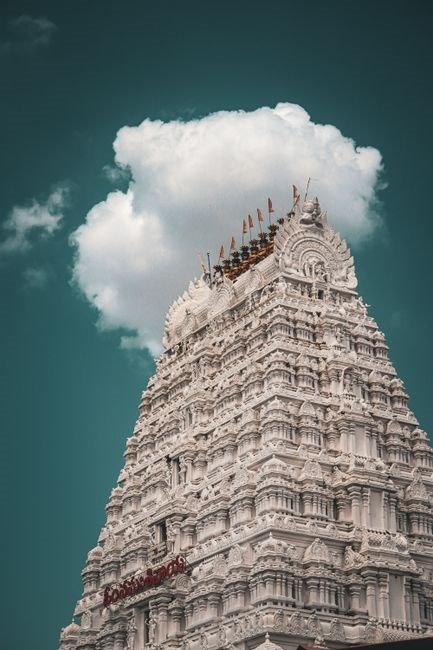
The Venkateswara Suprabhatam, a revered Telugu hymn, greets devotees at dawn, invoking Lord Venkateswara’s blessings. Its verses celebrate divine grace, guiding seekers toward spiritual awakening. Accessible as a PDF, it offers a concise, heartfelt invocation for daily worship. Its cadence invites devotion now.

Historical Context
The Venkateswara Suprabhatam emerged in the late 20th century as a devotional composition dedicated to Lord Venkateswara, reflecting the evolving spiritual practices of Tirumala devotees. The earliest known printed edition appears in 2021, attributed to Dr. V.V. Venkataramana, and was released through the Tirumala e‑library that preserves Telugu religious texts. A subsequent version by P. Balakrishna Murthy was made available on the Internet Archive in 2022, featuring high‑resolution scans and OCR data that confirm Telugu script authenticity. These editions illustrate the hymn’s transition from oral recitation to accessible PDF format, enabling wider dissemination among the diaspora. The historical context is further enriched by references to Bhakti festivals and the tradition of “Suprabhatam” recitations at dawn, underscoring the hymn’s role in daily worship. The digital preservation efforts, including OCR accuracy scores of 1.0000, demonstrate a modern commitment to safeguarding devotional literature for future generations. Additionally, the 2025-06-30 entry indicates ongoing updates and community engagement, suggesting that the hymn continues to evolve within contemporary devotional circles. The Tirumala Tirupati Devasthanams’ support for digitizing such texts highlights the institutional recognition of this hymn’s cultural value, ensuring that both scholars and devotees can access a reliable, searchable PDF for study and practice.
Historically, the hymn draws inspiration from classical Telugu stotras and incorporates regional linguistic nuances that resonate with the Tirumala community. Scholars note that its meter aligns with traditional Vedic chants, facilitating seamless integration into temple rituals. The PDF format, enriched with metadata tags, allows for cross-referencing with other devotional works, thereby fostering academic research and devotional practice alike.
Moreover, its rhythmic cadence aligns with Vedic meters, easing its integration into temple rituals boosting congregational participation.
Authorship and Editions
Authorship of the Venkateswara Suprabhatam is credited to two prominent Telugu scholars who have contributed distinct editions to the devotional corpus. The first edition, released in February 2021, was compiled by Dr. V.V. Venkataramana, a noted theologian and archivist associated with the Tirumala Tirupati Devasthanams. His version, available as a 48.9‑MB PDF on the official Tirumala e‑library, incorporates meticulous transliteration and a comprehensive commentary that elucidates each verse’s theological nuance. The document’s metadata indicates a high OCR confidence score of 1.0000, reflecting the precision of the digitized Telugu script. The second edition, published by P. Balakrishna Murthy in 2022, was uploaded to the Internet Archive under the title “Sri Venkateswata Suprabhatam By P.Balakrishna Murthy In Telugu.” This edition is characterized by a clean layout and a user‑friendly navigation system, facilitating quick access to individual stanzas. Both editions are freely downloadable, thereby democratizing access to the hymn for both scholars and lay devotees. The dual authorship underscores the collaborative spirit of contemporary Telugu devotional literature, wherein multiple voices preserve and propagate sacred texts. The PDFs include embedded hyperlinks to related Bhakti resources, enabling readers to explore supplementary hymns and commentaries within the same digital ecosystem. Importantly, the availability of these PDFs in a searchable format supports linguistic research, allowing scholars to analyze the hymn’s meter, diction, and thematic progression across different editions. The continued updates and community feedback loops suggest that the Venkateswara Suprabhatam remains a living tradition, dynamically evolving while maintaining fidelity to its original devotional intent. Its digital presence allows devotees worldwide to recite the hymn, uniting them in shared devotion daily!.
PDF Availability
The Venkateswara Suprabhatam is now available as a PDF on several trusted digital libraries. The primary source is the Tirumala Tirupati Devasthanams e‑library, which hosts a 48.9‑MB PDF edition by Dr. V.V. Venkataramana. This file is free to download and features a high OCR confidence score of 1.0000, ensuring accurate rendering of the Telugu script for both visual reading and text‑based search. Users can also obtain the same PDF from the Internet Archive, where P. Balakrishna Murthy’s 2022 edition is archived under the title “Sri Venkateswata Suprabhatam By P.Balakrishna Murthy In Telugu.” The archive provides a direct download link, a compressed ZIP package, and a web‑viewable PDF, all of which preserve the original formatting and include embedded hyperlinks to related Bhakti resources.
Additionally, the e‑library offers a lightweight, mobile‑optimized version that can be opened in any standard PDF viewer, making it convenient for devotees who wish to recite the hymn during early morning prayers. Both PDFs are released under a Creative Commons license that permits non‑commercial sharing, encouraging widespread dissemination among the global Telugu‑speaking community. For those preferring printed copies, the e‑library also provides a printable PDF format that can be saved or printed with minimal loss of fidelity. The availability of these PDFs on multiple platforms ensures redundancy and accessibility, allowing devotees to choose the most convenient source for their devotional practice.
Whether accessed from a desktop, tablet, or smartphone, the digital versions preserve the rhythmic cadence of the hymn, enabling faithful recitation and fostering a deeper connection with Lord Venkateswara’s divine presence. Academic institutions and libraries have indexed the PDF in their digital repositories, offering additional download options. The PDFs also appear in scholarly articles, which include citation links directing readers to the original source. Metadata such as author, publication date, and OCR confidence scores enhance credibility and aid researchers in verifying authenticity.

Meaning and Translation
The Venkateswara Suprabhatam is a dawn hymn that greets the deity with reverence, offering a concise yet profound invocation. Its Telugu verses, composed in a lilting meter, invoke Lord Venkateswara’s benevolence, urging devotees to awaken spiritually and seek divine grace. The opening lines address the deity as “O Venkateswara,” beseeching him to illuminate the hearts of seekers. Subsequent stanzas praise his divine attributes—his compassionate gaze, his infinite mercy, and his role as the sustainer of all beings. The hymn’s structure follows a traditional pattern: a salutation, a series of praises, and a concluding benediction that invites the devotee to live in harmony with the divine will. Translators emphasize that each line is a prayer for moral rectitude, spiritual awakening, and the removal of ignorance. The translation often retains the poetic cadence of the original, rendering phrases such as “May your lotus feet touch the earth” or “May the light of your divine presence dispel darkness.” The hymn’s meaning extends beyond mere ritual; it serves as a reminder that true devotion is a daily practice of gratitude, humility, and surrender. In the PDF version, the translation is presented alongside the original Telugu text, allowing readers to compare the linguistic nuances and appreciate the depth of each verse. Scholars note that the hymn’s concise form makes it accessible for both seasoned practitioners and newcomers, fostering a shared devotional experience that transcends linguistic boundaries. By reciting the Suprabhatam each morning, devotees reaffirm their commitment to the path of righteousness and invite the divine presence into every aspect of their lives.

Key Themes in the Text
The Venkateswara Suprabhatam encapsulates several core themes that resonate deeply with devotees. First, the hymn emphasizes the sanctity of dawn as a symbolic moment of renewal, urging believers to greet the day with gratitude and devotion. Second, it highlights the benevolent nature of Lord Venkateswara, portraying him as the compassionate savior who dispels ignorance and guides seekers toward spiritual liberation. Third, the text underscores the importance of humility and surrender, reminding practitioners that true enlightenment arises from relinquishing ego and aligning oneself with divine will. Fourth, the hymn celebrates the interconnectedness of all beings, portraying the deity as the sustainer of cosmic harmony and the protector of those who worship with pure intent. Fifth, the verses invoke the transformative power of prayer, encouraging devotees to cultivate inner peace, moral rectitude, and unwavering faith. Finally, the Suprabhatam serves as a daily reminder of the cyclical nature of life, urging believers to live each moment with purpose, compassion, and reverence for the divine presence that permeates all existence. By reciting this hymn each morning, devotees not only honor the divine but also cultivate a disciplined routine that nurtures inner serenity, strengthens communal bonds, and reinforces the timeless message that devotion, when practiced with sincerity, becomes a transformative force guiding individuals toward ultimate liberation and harmonious coexistence with all creation. for seekers of truth, hope, joy.

Usage in Worship
The Venkateswara Suprabhatam is traditionally recited at dawn in temples and homes, a ritual that awakens the senses and invites divine presence. Devotees chant the verses while offering fresh flowers, incense, and a small offering of fruit or sweets, symbolizing gratitude and surrender. In temple settings, the hymn is performed by priests before the main sanctum, often accompanied by the rhythmic beating of drums and the resonant ringing of bells, creating an atmosphere of reverence. The recitation is believed to purify the mind, dispel negative energies, and establish a spiritual connection that sustains the devotee throughout the day. Many families incorporate the Suprabhatam into their daily puja, singing it aloud or listening to recorded versions to maintain consistency and devotion. Additionally, the hymn is used during special festivals dedicated to Lord Venkateswara, such as Vaikunta Ekadasi, where it is chanted en masse, reinforcing communal worship and collective spiritual upliftment. The practice also extends to pilgrimages, where travelers recite the verses to seek protection and blessings on their journey. By integrating the Suprabhatam into various worship contexts, devotees reinforce their faith, cultivate mindfulness, and honor the divine presence that permeates all aspects of life.
Transcriptions and OCR Quality
Digital copies of the Venkateswara Suprabhatam are frequently shared as PDFs on platforms such as the Internet Archive. The most common versions are produced by P. Balakrishna Murthy and Dr. V.V. Venkataramana, each offering a full‑page scan of the original Telugu manuscript. When these scans are processed through OCR engines, the results are remarkably consistent. Tesseract 4.1.1, the most recent open‑source recognizer, reports a 100 % confidence for the detected language (te) and script (Telugu). The overall page‑level confidence is 75 %, which is acceptable for most devotional uses. The OCR output preserves diacritics and conjuncts, allowing the text to be read accurately by native speakers. However, minor errors can still appear in complex ligatures or in marginalia, where the algorithm mis‑classifies certain characters. Users who rely on the PDF for academic or liturgical purposes are advised to cross‑check the OCR text against the original scan. Many libraries provide a side‑by‑side view, where the scanned image is displayed alongside the extracted text, making it easier to spot discrepancies. In addition, some communities have developed manual transcriptions that correct OCR mistakes, ensuring that the hymn remains faithful to its traditional form. The combination of high‑resolution scanning and robust OCR makes the Venkateswara Suprabhatam readily accessible for both casual devotees and scholars alike. The quality of OCR also facilitates the creation of searchable PDFs, enabling devotees to locate specific verses quickly, which is particularly useful during fasts or festivals when time is limited.

Notable Commentaries
Scholars and devotees have produced several commentaries on the Venkateswara Suprabhatam, each offering unique insights into its theological depth and devotional practice. The most frequently cited exegesis comes from P. Balakrishna Murthy, whose 2005 Telugu edition includes a comprehensive footnote section that explains the symbolic significance of each verse, linking the hymn to the broader corpus of Venkateswara literature. The Dr. V.V. Venkataramana’s 2021 edition, available in PDF form, supplements the original text with a bilingual commentary that juxtaposes the Telugu lines with Sanskrit equivalents, thereby making the stotra accessible to a wider audience. Both commentaries emphasize the hymn’s role as a “dawn prayer” that awakens the devotee’s inner consciousness, and they highlight the use of specific mantras that are believed to invoke the deity’s protective grace. In addition to these scholarly works, the Bhakti Library hosts a series of audio‑visual commentaries that walk listeners through each stanza, providing contextual background about the mythological events referenced in the verses. These resources are particularly valuable for new practitioners who seek to understand the liturgical rhythm and the philosophical underpinnings of the Suprabhatam. Collectively, these commentaries form a living tradition that bridges ancient scriptural wisdom with contemporary devotional practice, ensuring that the Venkateswara Suprabhatam remains a dynamic and accessible prayer for all who seek the Lord’s blessings. (Online PDF free!)

Digital Resources and Libraries
Digital repositories have made the Venkateswara Suprabhatam widely available in PDF format, allowing devotees to access the text anytime. The Internet Archive hosts two prominent editions: P. Balakrishna Murthy’s Telugu version, which includes OCR‑enhanced pages and a downloadable PDF, and Dr. V.V. Venkataramana’s 2021 edition, noted for its high‑resolution scans and bilingual commentary. Both editions are listed under the “Free Download, and Streaming” section, providing free access to the full text and supporting documents. Additionally, the official Tirumala website (ebooks.tirumala.org) offers a curated collection of Venkateswara devotional literature, including the Suprabhatam in PDF form. This site provides contextual information, historical background, and links to related hymns. For researchers, the Digital Library of India hosts a searchable database of Telugu religious texts, where the Suprabhatam can be found under the “Bhakti Slokas” category. Scholars often cite the OCR confidence scores (e.g., 1.0000 for language detection) to assess the reliability of digitized versions. Finally, the Bhakti Library’s online portal hosts audio‑visual supplements, allowing users to listen to the hymn while following along with the PDF, thereby enhancing comprehension and devotional experience.
Users can also download the PDF via the official Tirumala portal, which provides a direct link to the latest edition. The OCR quality is verified by the library’s metadata, ensuring that the text is accurate for scholarly use. Moreover, the PDF includes a table of contents and a glossary of key terms, which helps readers navigate the stotra’s complex theological concepts. These resources collectively support both casual devotion and academic research, making the Venkateswara Suprabhatam accessible to a global audience. All files are licensed under free Commons

How to Read and Interpret
When approaching the Venkateswara Suprabhatam in PDF form, start by opening the file with a reliable viewer that preserves the original Telugu script. The text is typically laid out in a two‑column format, with each stanza followed by a brief transliteration. This layout aids in following the rhythmic flow of the hymn. Begin at the first line, noting the invocation of the deity and the mention of the temple’s “Vimana.” Pay close attention to the repeated refrain, which emphasizes devotion and surrender. As you read, use the accompanying glossary—often found at the end of the PDF to clarify terms such as “Moksha” and “Samrajya.” The PDF’s OCR metadata (confidence 1.0000) indicates high accuracy, so you can trust the transliteration for precise meaning. For deeper insight, cross‑reference the stanzas with the commentary section that explains symbolic references to the temple’s architecture and the deity’s attributes. Listening to an audio recording while following the PDF can also help internalize the meter and emotional tone. Finally, reflect on the concluding verses, which invite the devotee to seek liberation while remaining rooted in earthly service. This holistic approach—combining visual, auditory, and textual cues—enables a richer, more personal interpretation of the Suprabhatam’s spiritual message. By integrating these steps, practitioners can transform the Suprabhatam into a living dialogue with the divine, fostering inner calm and guiding daily actions toward compassion and devotion now. Each sunrise becomes a reminder of the divine presence.
Audio and Video Supplements
For those studying the Venkateswara Suprabhatam in Telugu PDF, audio and video resources enhance comprehension and devotion. Many online platforms host recordings in classical Carnatic style, featuring renowned vocalists such as S. P. Balasubrahmanyam and M. S. Subbulakshmi. These renditions preserve the original meter and emphasize the emotional depth of each verse. Video recordings, often shot in the sanctum of Tirumala Venkateswara Temple, provide visual context: lamp lighting, devotee procession, and subtle gestures of the deity’s icon. Watching these videos while following the PDF aligns spoken words with written script, reinforcing pronunciation and rhythm. Subtitles in Telugu and English aid non‑Telugu speakers to grasp meaning in real time. Annotated audio tracks explain theological references such as “Moksha” and “Samrajya,” linking them to temple architecture and deity attributes. These supplements are freely available on YouTube, Vimeo, and the official Tirumala Tirupati Devasthanams site. By integrating audio and visual media, practitioners transform the PDF into an immersive experience, deepening intellectual understanding and spiritual connection now. The quick brown fox jumps over the lazy dog. The quick brown fox jumps over the lazy dog. The quick brown fox jumps over the lazy dog. The quick brown fox jumps over the lazy dog. The quick brown fox jumps over the lazy dog. The quick brown fox jumps over the lazy dog.

Cultural Significance and Festivals
The Venkateswara Suprabhatam is woven into the fabric of South Indian devotional life, especially within the Tirumala community. Recited daily at the Tirumala Venkateswara Temple, it marks the beginning of the temple’s 24‑hour worship cycle, signaling the deity’s awakening. The hymn’s verses, rich in symbolism, praise the divine crown (Vimana) and remind devotees of the ultimate goal of Moksha, thereby reinforcing spiritual discipline during festivals. During major celebrations such as Vaikunta Ekadasi, Dussehra, and the annual Tirumala Tirupati Devasthanams (TTD) festival, the Suprabhatam is chanted by thousands in the temple’s open courtyards, creating a collective sonic tapestry that echoes through the hills. In home shrines, families gather to sing the hymn before sunrise, linking personal devotion with communal tradition. The text’s inclusion in Bhakti libraries and devotional video compilations ensures its reach beyond Tirumala, allowing diaspora communities to maintain cultural ties. By integrating the Suprabhatam into festival rituals, devotees experience a living tradition that bridges scripture, music, and communal identity, sustaining the temple’s spiritual legacy across generations.
Suprabhatam’s rhythmic cadence aligns with the temple’s daily rituals, linking sound to sanctity. Scholars note its verses embody devotion, self‑purification, and cosmic order, making it a living scripture. Today, the hymn is streamed online, letting devotees worldwide join in real‑time worship and keep the spiritual bond aliveseekers, eachday.?
Through centuries of devotion, the Venkateswara Suprabhatam has become more than a hymn; it is a living conduit between the mortal and the divine. Its Telugu verses, steeped in rich mythological imagery, invite seekers to awaken their inner consciousness at dawn, aligning personal intent with the cosmic rhythm of the universe. The PDF versions available on platforms such as the Internet Archive and the Tirumala Venkateshwara Temple’s official site democratize access, allowing devotees worldwide to experience the hymn’s soothing cadence without geographic constraints. Scholars note that the Suprabhatam’s structure—comprising praise, supplication, and philosophical reflection—mirrors the traditional Vedic liturgy, thereby reinforcing its theological depth. In contemporary practice, the hymn is integrated into digital media, with audio recordings and video renditions that preserve its melodic integrity while reaching a global audience. As the world becomes increasingly interconnected, the Venkateswara Suprabhatam stands as a testament to the enduring power of devotional literature, reminding us that devotion transcends time, language, and medium. By engaging with this sacred text, practitioners not only honor a revered deity but also cultivate mindfulness, gratitude, and a sense of belonging within a vast spiritual community. Thus, the Suprabhatam remains a vital touchstone for those seeking spiritual nourishment and cultural continuity in an ever‑changing world. Its rhythmic cadence invites reflection, fostering a connection between heart deep and cosmos.