treadmill guide tweeklynutrition

Treadmill Guide & Weekly Nutrition: A Comprehensive Overview
Embrace year-round fitness with a treadmill, perfect for any weather! This guide details workouts for all levels and a 7-day nutrition plan to fuel performance and recovery․
Treadmills offer a fantastic avenue for year-round fitness, transcending weather limitations․ Whether you’re a seasoned runner preparing for race season or a beginner embarking on a new exercise journey, a treadmill provides an effective and accessible aerobic workout․ One of the most recommended pieces of home exercise equipment, it caters to all skill and conditioning levels․
The beauty of treadmill training lies in its control․ You dictate the pace, incline, and duration, allowing for customized workouts tailored to your specific goals․ This control is particularly beneficial for those new to exercise, as it minimizes the risk of injury and allows for gradual progression․ Furthermore, treadmills offer a convenient solution for maintaining fitness during inclement weather, eliminating excuses and ensuring consistency․
This guide will delve into maximizing your treadmill experience, combining effective workout routines with a comprehensive weekly nutrition plan․ Prepare to unlock your full potential!
Benefits of Regular Treadmill Use
Consistent treadmill use delivers a wealth of health benefits․ Primarily, it’s an exceptional cardiovascular workout, strengthening your heart and lungs, and improving circulation․ This leads to reduced risk of chronic diseases like heart disease, stroke, and type 2 diabetes․ Beyond cardiovascular health, regular treadmill sessions contribute to weight management by burning calories and boosting metabolism․
Treadmills also enhance endurance and stamina, making everyday activities easier․ The controlled environment allows for precise monitoring of progress – speed, distance, time, and calorie expenditure – fostering motivation and accountability․ Unlike outdoor running, treadmills offer cushioned surfaces, minimizing impact on joints and reducing the risk of injuries․
Moreover, treadmill workouts can positively impact mental well-being, releasing endorphins that alleviate stress and improve mood․ It’s a convenient and effective way to prioritize your health, regardless of external factors․
Choosing the Right Treadmill: A Buyer’s Guide
Selecting the ideal treadmill requires careful consideration of your fitness goals and budget․ Begin by assessing motor power; a continuous horsepower of 2․5 or higher is recommended for regular runners․ Deck size is crucial – longer and wider decks offer more comfortable strides, especially for taller users․ Cushioning systems significantly impact joint health, so prioritize models with advanced shock absorption․
Incline and decline features add workout variety and challenge․ Consider built-in workout programs for guided training sessions․ Console features like heart rate monitoring, Bluetooth connectivity, and entertainment options enhance the experience․

Don’t overlook warranty coverage; a robust warranty protects your investment․ Finally, read reviews and compare models to find the best fit․ Knowing what features are essential will ensure you choose a treadmill that supports your fitness journey for years to come․
Treadmill Workouts for All Fitness Levels
Treadmills offer versatility for users of every skill level․ Beginners should start with walking intervals, gradually increasing speed and incline․ A sample beginner workout includes a 5-minute warm-up walk, followed by alternating 1-minute brisk walks with 2-minute recovery walks, repeated for 20-30 minutes, and a 5-minute cool-down․
Intermediate runners can incorporate interval training with higher speeds and inclines․ Try 30-second sprints followed by 60-second recovery jogs, repeated 10-15 times․ Advanced athletes can challenge themselves with hill workouts, tempo runs, and long-distance sessions․
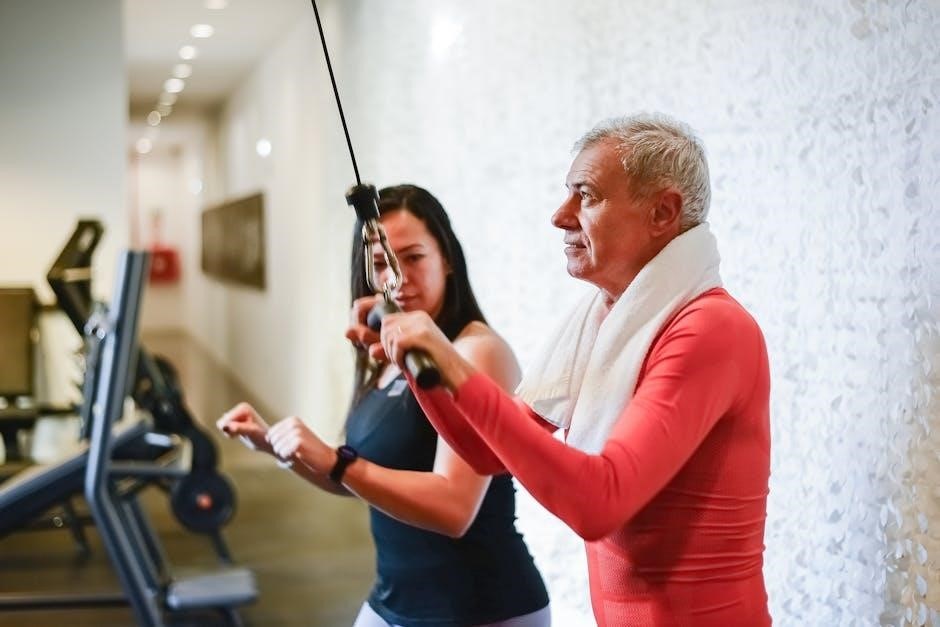
Remember to always warm up and cool down properly․ Varying your workouts prevents plateaus and keeps your training engaging․ Professional runners and casual walkers alike can benefit from a well-structured treadmill routine․
Beginner Treadmill Workouts
Starting your treadmill journey? Focus on building a base with low-impact workouts․ Begin with a 5-minute warm-up walk at a comfortable pace and 0% incline․ Then, alternate between 1-minute brisk walks and 2-minute recovery walks for 20-30 minutes․ This interval approach gradually increases your cardiovascular fitness․

As you progress, slowly increase the duration of the brisk walking intervals and decrease the recovery time․ You can also introduce a slight incline (1-2%) to add a gentle challenge․ Remember to maintain good posture and engage your core throughout the workout․
Always finish with a 5-minute cool-down walk to lower your heart rate gradually․ Consistency is key – aim for 3-4 beginner workouts per week․ Don’t push yourself too hard, listen to your body, and enjoy the process!
Intermediate Treadmill Workouts
Ready to elevate your treadmill routine? Intermediate workouts build upon your base fitness, incorporating more intensity and variety․ Start with a 5-minute warm-up, then introduce interval training with higher speeds and inclines․ Try 2-minute runs at a challenging pace, followed by 1-minute recovery jogs or walks․
Experiment with hill workouts by increasing the incline to 3-5% for sustained periods, simulating outdoor running․ Incorporate speed intervals – alternating between fast sprints (30-60 seconds) and moderate-paced recovery periods․ A typical workout could be 30-40 minutes, including warm-up and cool-down․
Don’t be afraid to mix things up! Add a pyramid interval workout (gradually increasing then decreasing intensity) or a tempo run (sustained effort at a comfortably hard pace)․ Aim for 3-4 intermediate sessions weekly, prioritizing proper form and listening to your body․

Advanced Treadmill Workouts
For seasoned runners, advanced treadmill workouts push limits and enhance performance․ These sessions demand a strong fitness base and focus on high-intensity intervals, challenging inclines, and sustained speed work․ Begin with a dynamic warm-up, preparing muscles for intense activity․
Implement workouts like HIIT (High-Intensity Interval Training) with short bursts of maximum effort (e․g․, 30 seconds sprint) followed by brief recovery periods․ Explore longer interval sets – 4-5 minute hard runs with 1-2 minute recoveries․ Utilize steep incline intervals to build leg strength and cardiovascular endurance․
Consider tempo runs lasting 20-30 minutes at a comfortably hard pace, or progressive runs where speed gradually increases throughout the session․ Advanced users can incorporate workouts mimicking race conditions․ Aim for 3-5 advanced sessions weekly, prioritizing recovery and proper form to prevent injury․
Pre-Workout Nutrition for Treadmill Sessions
Optimizing your pre-workout nutrition is crucial for maximizing treadmill performance and endurance․ Consuming the right fuel 3-4 hours before your session provides sustained energy and prevents fatigue․ Focus on a carbohydrate-rich meal, easily digestible to avoid digestive discomfort during exercise․
Excellent choices include oatmeal, whole-wheat toast with banana, or sweet potato․ Pair these carbohydrates with a moderate amount of protein – think Greek yogurt, eggs, or a small portion of lean meat – to support muscle function․ Minimize fat intake, as it slows digestion and can lead to sluggishness․
Hydration is equally important; drink plenty of water in the hours leading up to your workout․ A small, carbohydrate-based snack (like a piece of fruit) 30-60 minutes before can provide a quick energy boost․ Avoid sugary drinks or heavy meals immediately before exercising․

Carbohydrate Intake & Treadmill Performance
Carbohydrates are the primary fuel source for treadmill workouts, directly impacting your energy levels and endurance․ They are stored as glycogen in muscles and the liver, providing readily available energy during exercise․ Adequate carbohydrate intake ensures you can maintain intensity and delay fatigue․
The amount of carbohydrates needed varies based on workout duration and intensity․ For shorter, low-intensity sessions, a moderate intake is sufficient․ However, longer or more vigorous treadmill runs require increased carbohydrate consumption to replenish glycogen stores․
Prioritize complex carbohydrates like whole grains, fruits, and vegetables for sustained energy release․ Simple carbohydrates, found in sugary drinks and processed foods, offer a quick boost but can lead to energy crashes․ Strategically timing carbohydrate intake – before, during (for longer runs), and after – optimizes performance and recovery․
Protein’s Role in Treadmill Recovery

Protein is crucial for treadmill recovery, playing a vital role in muscle repair and rebuilding after strenuous workouts․ Exercise causes microscopic damage to muscle fibers, and protein provides the amino acids necessary to repair this damage, leading to muscle growth and adaptation․
Consuming protein post-workout helps to initiate the recovery process, reducing muscle soreness and improving subsequent performance․ Aim for approximately 20-40 grams of high-quality protein within a couple of hours after your treadmill session․
Excellent protein sources include lean meats, poultry, fish, eggs, dairy products, and plant-based options like beans, lentils, and tofu․ Distributing protein intake throughout the day, rather than consuming it all at once, further supports muscle recovery and overall health․ Prioritizing protein intake is essential for maximizing the benefits of your treadmill training․

Hydration Strategies for Treadmill Workouts
Maintaining proper hydration is paramount during treadmill workouts, significantly impacting performance and preventing potential health risks․ Dehydration can lead to fatigue, muscle cramps, and decreased endurance, hindering your training progress․
Begin hydrating well before your workout, consuming approximately 16-20 ounces of water 2-3 hours beforehand․ During your treadmill session, drink 4-8 ounces of water every 15-20 minutes, adjusting based on intensity and sweat rate․

Post-workout, replenish fluids lost through sweat by drinking at least 16-24 ounces of water․ Consider electrolyte-rich beverages, especially after longer or more intense workouts, to restore essential minerals․ Pay attention to your body’s signals – thirst is an indicator of dehydration, but proactive hydration is always best․ Prioritize water as your primary hydration source․
Post-Workout Nutrition: Replenishing Energy Stores
Following a treadmill workout, prioritizing post-exercise nutrition is crucial for muscle recovery, glycogen replenishment, and overall adaptation․ Your body is most receptive to nutrient uptake within the “window of opportunity” – ideally within 30-60 minutes post-exercise․
Focus on consuming a combination of carbohydrates and protein․ Carbohydrates replenish glycogen stores depleted during your run, while protein aids in muscle repair and growth․ A ratio of 3:1 or 4:1 carbohydrates to protein is generally recommended․
Excellent post-workout options include a protein shake with fruit, Greek yogurt with berries and granola, or a whole-wheat sandwich with lean protein․ Don’t underestimate the importance of rehydration alongside nutrient intake․ Replenishing both fluids and nutrients optimizes recovery and prepares you for your next treadmill session․
7-Day Treadmill Nutrition Plan
Optimizing your treadmill training requires a strategic nutrition plan extending beyond just pre- and post-workout meals․ This 7-day plan focuses on consistent energy levels, recovery, and supporting your fitness goals․ Prioritize whole, unprocessed foods throughout the week․
Emphasize carbohydrate-rich meals 3-4 hours before sessions, including easily digestible carbs with moderate protein and low fat․ Throughout the day, incorporate fruits, vegetables, lean proteins, nuts, seeds, and whole grains for essential nutrients․
Hydration is key – drink water consistently․ This plan isn’t restrictive; it’s about making informed choices․ Adjust portion sizes based on your individual needs and activity level․ Remember, a balanced diet fuels performance and accelerates recovery, maximizing your treadmill results․
Sample Meal Plan for Treadmill Users
Here’s a sample to illustrate a treadmill-focused diet․ Day 1: Breakfast – Oatmeal with berries and nuts․ Lunch – Grilled chicken salad with quinoa․ Dinner – Salmon with roasted vegetables and sweet potato․ Day 2: Breakfast – Greek yogurt with fruit and granola․ Lunch – Turkey sandwich on whole-wheat bread with a side salad․ Dinner – Lean beef stir-fry with brown rice․
Day 3: Breakfast – Scrambled eggs with spinach and whole-wheat toast․ Lunch – Lentil soup with a side of fruit․ Dinner – Chicken breast with steamed broccoli and brown rice․ Prioritize carbohydrates before workouts and protein post-workout for optimal recovery․
Snacks should include fruits, vegetables, or a handful of nuts; Adjust portions to match your calorie needs․ Remember to stay hydrated throughout the day․ This is a template; personalize it based on your preferences and dietary requirements․
Focus on Calorie Control for Weight Loss
Achieving weight loss with treadmill training hinges on a calorie deficit – burning more calories than you consume․ While treadmills effectively burn calories, dietary control is paramount․ Prioritize whole, unprocessed foods like fruits, vegetables, lean proteins, and whole grains․ These provide essential nutrients while keeping calorie intake manageable․
Monitor portion sizes diligently․ Even healthy foods contribute to weight gain if eaten in excess․ Track your daily calorie intake using a food diary or app to ensure you’re consistently in a deficit․ Combine treadmill workouts with mindful eating habits for synergistic results․
Avoid sugary drinks and processed snacks, as they offer empty calories; Focus on nutrient-dense foods that promote satiety, helping you feel fuller for longer․ Remember, sustainable weight loss is a gradual process requiring consistency and dedication․
Essential Nutrients for Treadmill Runners
Treadmill runners require a balanced intake of essential nutrients to optimize performance, recovery, and overall health․ Prioritize complex carbohydrates for sustained energy, fueling both workouts and daily activities․ Lean proteins are crucial for muscle repair and growth, aiding recovery after intense treadmill sessions․
Healthy fats, like those found in avocados, nuts, and seeds, support hormone production and nutrient absorption․ Micronutrients – vitamins and minerals – play vital roles in various bodily functions․ Iron is essential for oxygen transport, while calcium and vitamin D support bone health, crucial for impact absorption․
Unless advised otherwise by a doctor or nutritionist, incorporate a variety of colorful fruits and vegetables to ensure adequate vitamin and mineral intake․ Hydration is also key; water supports all metabolic processes and prevents dehydration during exercise․
Expert Fitness Consultancy for Treadmill Training
For runners preparing for events or seeking personalized treadmill training guidance, expert fitness consultancy offers invaluable support․ TORQ FITNESS CONSULTANCY specializes in educating individuals to maximize their training effectiveness and achieve peak performance․

A qualified consultant can assess your current fitness level, running mechanics, and goals to create a tailored treadmill workout plan․ This plan will consider factors like incline, speed, and interval training to optimize calorie burn, improve cardiovascular health, and build endurance․
Beyond workout design, consultancy provides insights into proper nutrition, hydration strategies, and injury prevention techniques․ They can help you fine-tune your pre- and post-workout nutrition to fuel your runs and accelerate recovery․ Investing in expert guidance can significantly enhance your treadmill training journey․