manual to automatic
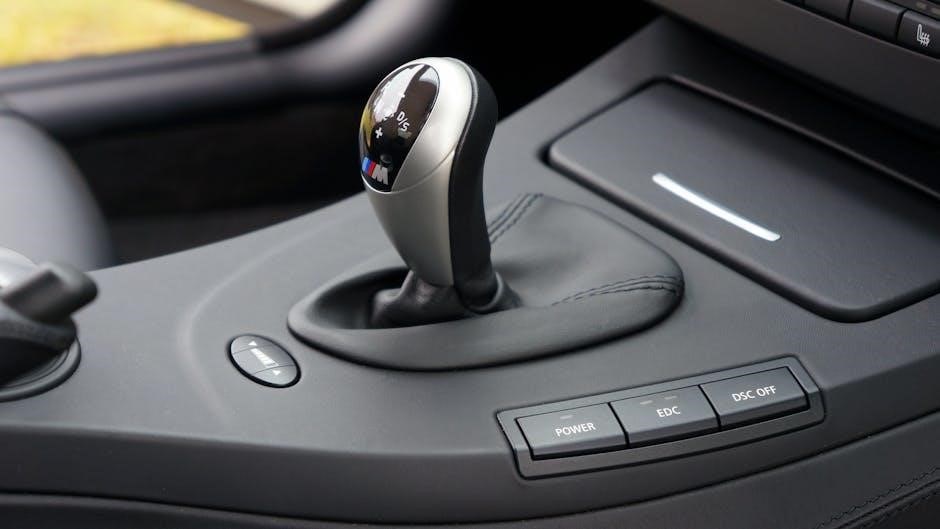
Converting from a manual to an automatic transmission is a complex undertaking, often sought by drivers desiring convenience, especially in congested traffic conditions․
While technically feasible, this process demands specialist knowledge and isn’t a simple task for most vehicle owners, requiring significant modifications․
The demand for automatic transmissions continues to rise, prompting exploration of conversion options, though a complete overhaul is frequently necessary․
Modern vehicles, particularly those manufactured after the mid-1990s, present even greater challenges, needing more than just basic adjustments․
The Growing Demand for Automatic Transmissions
The shift towards automatic transmissions is undeniable, fueled by evolving driver preferences and increasingly congested urban environments․ Many drivers, particularly those facing daily stop-and-go traffic, are actively seeking alternatives to the constant clutch engagement and gear changes required by manual systems․
This desire for convenience is a primary driver of the demand․ The ease of use offered by automatics reduces driver fatigue and allows for greater focus on the road․ Consequently, a significant portion of vehicle owners are exploring options to convert their existing manual cars․
Furthermore, the broader automotive market reflects this trend, with automatic transmissions becoming the standard offering in many new vehicle models․ This increased availability and acceptance further contribute to the growing interest in conversions, even if the process is complex and specialized․
The appeal is clear: a smoother, less physically demanding driving experience․
Is Converting a Viable Option?
While technically possible, converting a manual transmission to an automatic is rarely a straightforward or cost-effective undertaking․ The viability hinges heavily on the vehicle’s age, complexity, and the owner’s budget and mechanical aptitude․ For many, especially those lacking extensive automotive experience, attempting a DIY conversion is strongly discouraged․
The process is described as “extremely complicated and specialist,” requiring hundreds of parts and precise adjustments․ Often, it proves more practical – and financially sensible – to sell the manual vehicle and purchase a comparable model already equipped with an automatic transmission․

However, for those with a strong attachment to their current vehicle, or specific needs that necessitate the conversion, it remains an option, albeit a significant investment․ Careful evaluation of costs and complexities is crucial before proceeding․
Ultimately, it’s a decision demanding thorough consideration․

The Complexity of the Conversion Process
Converting a manual to automatic involves a remarkably intricate process, demanding expertise and meticulous attention to detail, testing the skills of even seasoned mechanics․
It’s a substantial undertaking․
Why It’s Not a DIY Project for Most
Attempting a manual to automatic conversion as a do-it-yourself project is generally ill-advised for the vast majority of car owners․ The process isn’t simply swapping parts; it’s a deeply involved mechanical and often electrical undertaking․
Many online sources emphasize that if you’re even asking how to perform this conversion, you likely lack the necessary skillset․ The complexity stems from the sheer number of components needing modification or replacement, and the precise calibration required for proper function․
Incorrect installation can lead to serious mechanical failures, safety hazards, and potentially irreversible damage to the vehicle․ Specialized tools, diagnostic equipment, and a comprehensive understanding of automotive systems are essential, making professional installation highly recommended․
It truly tests the limits of automotive knowledge․
The Sheer Number of Parts Involved
The scope of a manual to automatic conversion extends far beyond just the transmission itself․ Hundreds of parts are affected, requiring careful consideration and often complete replacement․
Essential components include the automatic transmission unit, a transmission control unit (TCU) with its accompanying wiring harness, and a new shift cable assembly․ Beyond these core items, modifications are frequently needed for the driveshaft, crossmember, and even the vehicle’s floor pan․
Don’t forget the intricacies of the ECU, potentially requiring reprogramming or a standalone unit․ Fluid lines, cooling systems, and the speedometer connection all demand attention․ The process truly involves a complete overhaul, making a comprehensive parts list crucial for accurate budgeting and planning․
It’s a substantial undertaking!
Essential Components for a Successful Conversion
A successful conversion hinges on procuring the correct automatic transmission unit, a compatible transmission control unit with harness, and appropriate shift cables․
These core elements, alongside supporting modifications, are vital for a smooth and reliable automatic driving experience․
Automatic Transmission Unit (ATU) Selection
Choosing the right Automatic Transmission Unit (ATU) is paramount for a successful manual-to-automatic conversion․ Compatibility with your vehicle’s engine and drivetrain is non-negotiable; a mismatch can lead to performance issues and potential damage․
Consider factors like torque capacity – the ATU must handle the engine’s output․ Research different transmission types (e․g․, conventional automatic, CVT) and their suitability for your driving style and vehicle use․ Sourcing a unit from a reputable supplier is crucial, ensuring quality and reliability․
Don’t overlook the need for a complete unit, including the torque converter․ Thoroughly verify the ATU’s condition before purchase, and confirm it includes all necessary components for installation․ Proper ATU selection lays the foundation for a smooth and dependable conversion․
Transmission Control Unit (TCU) and Harness
The Transmission Control Unit (TCU) is the brain of the automatic system, requiring careful selection alongside the ATU․ It manages gear shifts, adapting to driving conditions and driver input․ A compatible TCU is essential; using the wrong one will result in improper operation or complete failure;
Often, the TCU comes with a dedicated wiring harness․ If not, a custom harness must be fabricated or a suitable aftermarket option sourced․ This harness connects the TCU to the ATU, engine control unit (ECU), and other vehicle systems․
Ensure the harness is correctly wired and properly shielded to prevent electrical interference․ Some conversions may require reprogramming the TCU to match the vehicle’s specifications, demanding specialized tools and expertise․
Shift Cables and Linkages
Replacing the manual shift linkage with the appropriate automatic shift cables and associated components is a critical step․ These cables connect the gear selector in the cabin to the transmission, enabling driver-selected gear changes․
The correct cable length and routing are vital for smooth and accurate shifting․ Often, this involves more than just swapping cables; brackets and mounting points may need modification or fabrication to accommodate the automatic system․
Proper adjustment of the shift cables is crucial to ensure the transmission engages the correct gear when the selector is in the desired position․ Incorrect adjustment can lead to harsh shifting, or even prevent gear engagement altogether, requiring precise calibration․

Vehicle Compatibility and Considerations
Compatibility varies greatly; older vehicles (pre-1990s) offer simpler conversions, while modern cars require extensive electronic integration and potential chassis alterations․
Engine and drivetrain alignment are paramount, and careful evaluation is needed to ensure a successful and reliable automatic transmission installation․
Modern vs․ Older Vehicles (Pre-1990s)
The complexity of a manual to automatic conversion dramatically shifts depending on the vehicle’s age․ Pre-1990s vehicles generally present a more straightforward, though still challenging, process․ These older cars typically lack the intricate electronic systems found in modern automobiles, meaning fewer sensors, modules, and software integrations are required․
However, modern vehicles, particularly those manufactured after the mid-1990s, introduce a significant layer of complexity․ These cars rely heavily on the vehicle’s computer systems to manage transmission functions․ A successful conversion necessitates careful integration with the existing electronic architecture, often requiring custom wiring harnesses and reprogramming of the vehicle’s control modules․
Simply put, older vehicles are mechanically simpler, while newer vehicles demand a sophisticated understanding of automotive electronics for a reliable conversion․
Engine and Drivetrain Compatibility
Ensuring compatibility between the engine, transmission, and drivetrain is paramount during a manual to automatic conversion․ Not all automatic transmissions are universally interchangeable; selecting the correct unit for your specific engine is crucial for proper operation and longevity․
Factors like engine torque output, horsepower, and bolt pattern must align with the automatic transmission’s specifications․ Furthermore, the drivetrain – including the driveshaft, differential, and axles – needs to be assessed for compatibility․ Modifications may be required to accommodate the different output speed and torque characteristics of an automatic transmission․
Ignoring these considerations can lead to performance issues, premature wear, or even catastrophic failure․ A thorough evaluation of the entire powertrain is essential before commencing the conversion process․
Potential Modifications to the Vehicle’s Chassis
Converting from manual to automatic often necessitates modifications to the vehicle’s chassis to accommodate the new transmission and its associated components․ The automatic transmission may have different mounting points or require reinforcement of the chassis structure to handle the increased weight and torque․
Adjustments to the transmission tunnel might be needed to provide sufficient clearance for the larger automatic unit․ Furthermore, the driveshaft length may require alteration to ensure proper engagement with the differential․ Consideration must also be given to the mounting of the transmission cooler lines and the routing of the shift linkage․
These chassis modifications are crucial for ensuring a safe and reliable conversion, preventing vibrations, and maintaining proper vehicle handling․
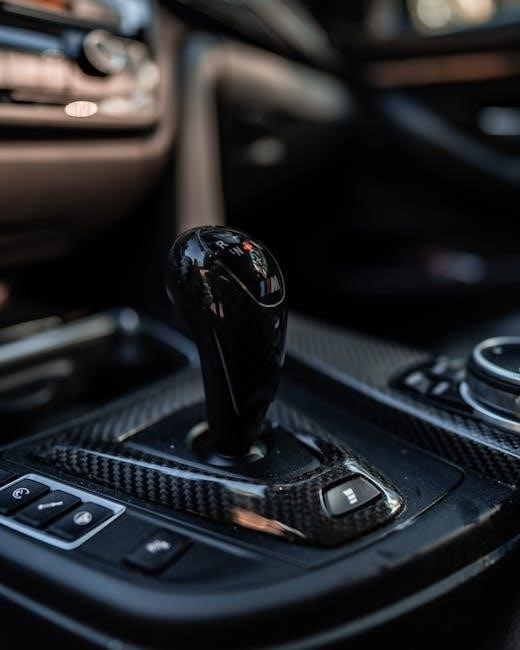
Cost Breakdown of a Manual to Automatic Conversion
Conversion expenses encompass parts—transmission, TCU, cables—and professional labor, which is highly recommended․ Unexpected costs demand contingency planning, as complexity drives up overall project expenditure․
Parts Costs: Transmission, TCU, Cables, etc․
The financial commitment to parts for a manual-to-automatic conversion is substantial․ A complete automatic transmission unit (ATU) forms the core expense, with costs varying significantly based on the vehicle type and desired transmission specifications – ranging from several hundred to several thousand dollars․
Crucially, a Transmission Control Unit (TCU) and its associated wiring harness are essential for managing the automatic operation; these can add another $500 to $1500 to the budget․ Don’t underestimate the cost of shift cables and linkages, which require precise fitment and can easily reach $200-$600․
Additional expenses include a new flexplate, potentially a modified driveshaft, and fluids․ Opting for a complete conversion kit, if available, might streamline the process but often comes with a premium price tag․ Budgeting accurately for all these components is vital before commencing the conversion․
Labor Costs: Professional Installation is Recommended
Given the complexity, professional installation is overwhelmingly recommended for a manual-to-automatic conversion․ The labor involved isn’t simply a matter of swapping parts; it requires specialized knowledge of drivetrain mechanics, electrical systems, and vehicle-specific procedures․
Expect labor costs to range significantly, typically between $800 and $2500, depending on the vehicle’s make and model, and the shop’s hourly rate․ This estimate covers removing the manual transmission, installing the automatic, connecting the TCU, and ensuring proper functionality․
Attempting a DIY installation without sufficient expertise can lead to costly mistakes, potential safety hazards, and ultimately, a non-functional vehicle․ A qualified mechanic will ensure the conversion is performed correctly and safely, providing peace of mind and a reliable outcome․
Unexpected Costs and Contingency Planning
A manual-to-automatic conversion rarely goes exactly as planned; therefore, robust contingency planning is crucial․ Beyond the initial parts and labor estimates, unforeseen issues frequently arise, adding to the overall expense․
Potential unexpected costs include damaged or corroded components discovered during disassembly, the need for custom fabrication, or compatibility issues requiring additional parts․ Older vehicles may necessitate replacing worn-out seals, bearings, or even clutch-related hardware․
It’s wise to allocate a contingency fund of at least 10-20% of the total estimated cost to cover these surprises․ Thorough inspection during the process and a skilled mechanic can minimize these issues, but preparedness is key to avoiding budget overruns and project delays․
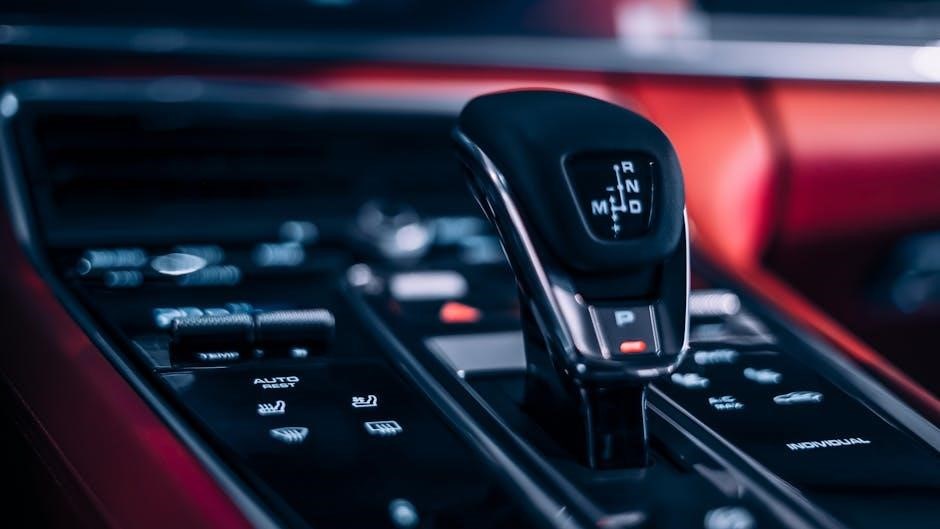
The Auto-Magic Conversion Kit: A Revolutionary Approach?
The Auto-Magic kit boldly claims a remarkably swift conversion – just five minutes – from manual to automatic transmission, a potentially revolutionary advancement!
However, evaluating these claims requires scrutiny, considering potential limitations and reliability concerns inherent in such a rapid process․
Evaluating the Claims of Rapid Conversion
The promise of a five-minute manual to automatic conversion, as touted by the Auto-Magic kit, immediately raises skepticism within the automotive community․ Such a timeframe drastically contrasts with the established understanding of the conversion process, which is inherently complex and time-consuming․
A traditional conversion involves numerous steps: removing the manual transmission, installing the automatic unit, adapting the drivetrain, wiring the transmission control unit (TCU), and meticulously testing the system․ To achieve this in mere minutes suggests a level of pre-engineering and simplification that seems improbable․
Potential concerns revolve around the completeness of the kit and the potential for overlooked crucial components․ Will the kit address all necessary modifications to the vehicle’s chassis or engine control unit? A truly rapid conversion might necessitate significant compromises in quality or long-term reliability, potentially leading to future mechanical issues and costly repairs․
Independent verification and thorough testing are essential before accepting such claims at face value․
Potential Limitations and Reliability Concerns
Even with a seemingly comprehensive conversion kit, or professional installation, inherent limitations and reliability concerns remain when transitioning from a manual to an automatic transmission․ The vehicle was originally engineered around the characteristics of a manual system, and adapting it to an automatic can introduce unforeseen stresses․
Compatibility issues between the automatic transmission and the existing engine or drivetrain are a primary worry․ Improperly matched components can lead to reduced performance, increased wear and tear, and potential transmission failure․ Furthermore, the electronic control systems may require extensive reprogramming to function optimally with the new automatic setup․
Long-term durability is also a question․ The vehicle’s chassis might not be fully optimized for the different torque characteristics of an automatic, potentially leading to accelerated wear on suspension components․ Thorough post-conversion testing and regular maintenance are crucial to mitigate these risks, but complete elimination of potential issues is unlikely․

Finding a Qualified Professional for the Conversion
Locating a specialist automatic transmission shop with proven experience is paramount for a successful conversion; expertise is non-negotiable for this complex process․
Prioritize shops demonstrating a deep understanding of drivetrain dynamics and electronic control systems for optimal results and lasting reliability․
Specialized Automatic Transmission Shops
Identifying shops dedicated to automatic transmissions is crucial, as they possess the specific knowledge and tooling required for a manual-to-automatic conversion․ These establishments aren’t general mechanics; they specialize in the intricacies of automatic systems, including diagnostics, rebuilds, and, importantly, conversions․
Look for shops that actively advertise conversion services and can provide detailed consultations regarding your specific vehicle․ A reputable shop will thoroughly assess your car’s compatibility and outline the entire process, including potential challenges and required modifications․ They should be able to explain the different automatic transmission options available and recommend the best fit for your vehicle and driving style․
Furthermore, inquire about their experience with similar conversions – specifically, the make and model of your car․ A history of successful conversions demonstrates their competence and reduces the risk of unforeseen issues․ Don’t hesitate to ask for references or read online reviews to gauge their reputation and customer satisfaction․
Importance of Experience and Expertise

A manual-to-automatic conversion isn’t a task for novice mechanics; it demands a deep understanding of both transmission types and vehicle integration․ Expertise is paramount, as the process involves intricate wiring, precise mechanical adjustments, and potentially, custom fabrication․ Incorrect installation can lead to severe transmission damage, safety hazards, and costly repairs․
Experienced technicians will recognize potential compatibility issues, anticipate necessary modifications to the chassis or drivetrain, and ensure proper TCU (Transmission Control Unit) programming․ They understand the nuances of shift patterns, torque converters, and fluid dynamics, crucial for a smooth and reliable automatic experience․
Furthermore, seasoned professionals are adept at troubleshooting unexpected problems that may arise during the conversion․ Their problem-solving skills and in-depth knowledge can save you time, money, and frustration․ Choosing a shop with a proven track record in these conversions is an investment in a successful outcome․

Post-Conversion Maintenance and Considerations
Regular fluid checks and changes are vital for the new automatic transmission’s longevity․ Fine-tuning and adjustments may be needed to optimize shift quality and performance․
Consistent monitoring ensures smooth operation and prevents potential issues arising from the conversion process․
Fluid Checks and Changes
Following a manual to automatic conversion, diligent attention to transmission fluid is paramount․ Unlike manual transmissions requiring infrequent fluid checks, automatics demand regular monitoring – typically every 30,000 to 60,000 miles, or as specified in the vehicle’s service manual․
Checking the fluid level should be done with the engine running and the transmission in Park or Neutral, ensuring accurate readings․ The fluid’s color and smell are also crucial indicators; a dark, burnt odor suggests potential overheating or internal damage․
Fluid changes are equally important, typically performed alongside filter replacements․ Using the correct type of transmission fluid, as recommended by the manufacturer, is non-negotiable․ Incorrect fluid can lead to slipping, harsh shifting, and ultimately, transmission failure․
Consider a complete flush when changing the fluid, especially if the transmission’s service history is unknown․ This removes old fluid and debris, promoting optimal performance and extending the transmission’s lifespan․
Potential for Adjustments and Fine-Tuning
Post-conversion, expect a period of adjustment and potential fine-tuning to optimize the automatic transmission’s performance․ Initial operation might reveal slight imperfections in shifting, requiring calibration of the Transmission Control Unit (TCU)․ This often involves specialized diagnostic tools and software․
Slight adjustments to the shift linkages may also be necessary to ensure smooth and precise gear changes․ Pay attention to any unusual noises or vibrations, as these could indicate misalignment or component stress․
The TCU’s programming can be customized to alter shift points and firmness, tailoring the driving experience to individual preferences․ However, aggressive modifications should be approached cautiously, as they can compromise reliability․
Regular monitoring of the transmission’s operation during the first few hundred miles is crucial․ Addressing minor issues promptly can prevent them from escalating into major problems, ensuring a long and trouble-free life for the converted automatic transmission․