french anti-tank artillery pdf
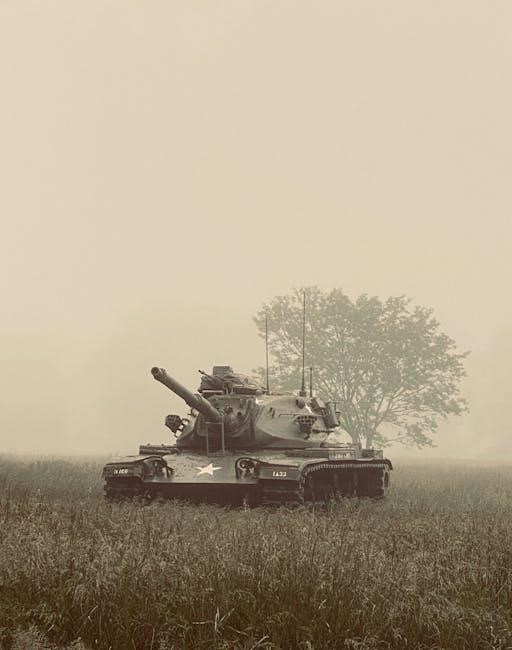
French anti-tank artillery in WWII faced significant challenges, despite possessing some modern weaponry like the 25mm and 47mm guns․
Availability of detailed manuals, often found as PDF documents, is crucial for wargamers and researchers seeking accurate historical representation․
Historical Context: The French Military in 1940
In 1940, the French Army, while possessing a reputation for quality, was hampered by doctrinal rigidity and insufficient modernization following the First World War․ PDF documents detailing pre-war organization reveal a reliance on static defense and a lack of coordinated mobile warfare capabilities․
The interwar period saw limited investment in dedicated anti-tank weaponry, leading to a shortage of modern guns when confronted by German Panzer divisions․ Existing artillery pieces were often ill-suited to effectively engage armored vehicles․ Consequently, older WWI-era guns were reactivated, though their effectiveness was questionable․ Accessing original French military PDFs provides insight into the logistical and strategic constraints faced by the army․
The need for improved anti-tank capabilities was recognized, but implementation lagged, leaving French forces vulnerable during the rapid German advance․
The Need for Anti-Tank Capabilities
By the late 1930s, the increasing threat of armored warfare demanded a significant upgrade to France’s defensive capabilities․ Analysis within contemporary French military PDF reports clearly indicated a growing vulnerability to tanks․ The rapid development of German armored vehicles necessitated the deployment of effective anti-tank weaponry to counter this emerging threat․
Despite this recognition, procurement and distribution of modern anti-tank guns – like the 25mm and 47mm – were insufficient․ Infantry lacked adequate man-portable options, relying heavily on the limited availability of anti-tank rifles․ Studying original French documentation, often available as PDFs, reveals a critical gap in anti-tank defense planning․
This deficiency proved disastrous during the Battle of France, highlighting the urgent need for a robust anti-tank strategy․
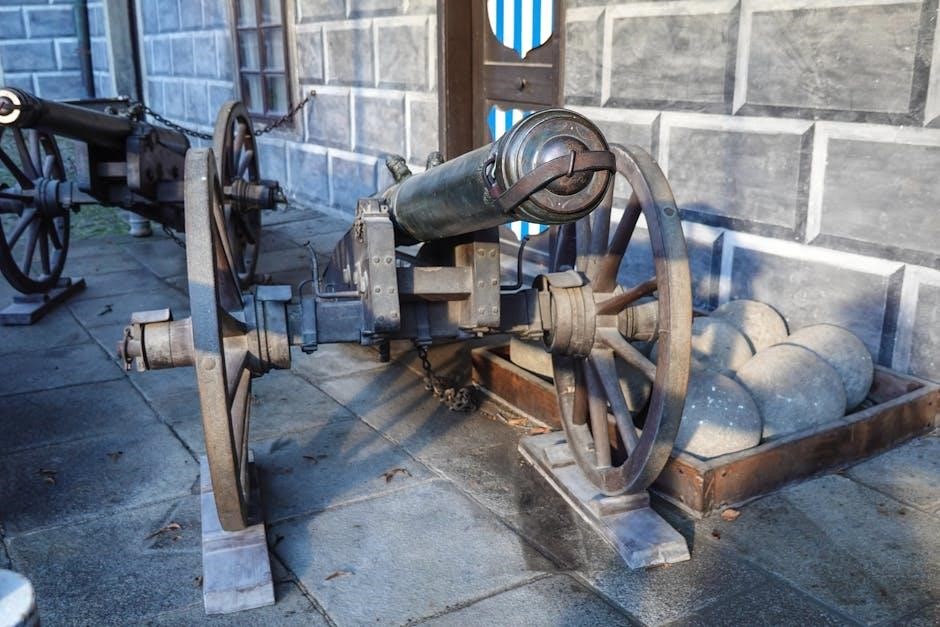
Overview of French Anti-Tank Guns
French anti-tank guns in 1940 included the 25mm and 47mm models, though numbers were limited․ Detailed specifications are often found in historical PDFs․
The 25mm Hotchkiss Anti-Tank Gun
The 25mm Hotchkiss was one of France’s two modern anti-tank guns at the start of WWII, yet insufficient quantities hampered its effectiveness․ Finding detailed information regarding its deployment and technical aspects requires delving into historical resources․
Fortunately, many original documents, including operational manuals and tactical guides, are now available as PDF files online․ These PDFs provide invaluable insights for military historians, wargamers, and modelers seeking accuracy․ They detail the gun’s limitations against heavier armor, and its intended role supporting infantry advances․
Accessing these PDF resources allows for a deeper understanding of the 25mm Hotchkiss’s capabilities and its place within the broader context of French anti-tank defense in 1940․ Studying these documents reveals the challenges faced by French crews․
Technical Specifications of the 25mm Hotchkiss
Detailed technical specifications of the 25mm Hotchkiss are readily available in digitized historical documents, often found as PDF manuals․ These PDFs reveal the gun’s caliber (25x113mm), its rate of fire (approximately 25-30 rounds per minute), and its muzzle velocity․
The Hotchkiss possessed a limited penetration capability, struggling against the armor of later-model German tanks․ PDF resources outline the gun’s effective range, typically around 800 meters, and its relatively lightweight construction, facilitating mobility․ These PDFs also detail the ammunition types employed, including armor-piercing and high-explosive rounds․
Analyzing these PDF specifications is crucial for accurately representing the gun in wargaming scenarios, understanding its strengths and weaknesses within the 1940 battlefield context․
Deployment and Tactical Use of the 25mm Hotchkiss
PDF documents detailing French military doctrine reveal the 25mm Hotchkiss was intended for direct support of infantry, deployed in anti-tank platoons․ These PDFs illustrate its tactical role focused on engaging lighter armored vehicles and providing localized defense against tank attacks․
However, the limited penetration of the Hotchkiss, as highlighted in historical PDF analyses, meant it quickly became ineffective against heavier German armor․ PDF resources show it was often positioned in hull-down positions or behind obstacles to maximize its limited capabilities․
Wargaming scenarios, informed by these PDF sources, should reflect this vulnerability, emphasizing its effectiveness against early-war Panzer models and its rapid obsolescence․
The 47mm SA37 Anti-Tank Gun
The 47mm SA37 represented a significant improvement over the 25mm Hotchkiss, as detailed in surviving French artillery PDF manuals․ These PDFs demonstrate its greater penetration capability, making it a more viable threat to early-war German tanks like the Panzer III․ Deployment focused on equipping dedicated anti-tank units, providing a mobile and relatively powerful anti-armor asset․
Historical PDF analyses reveal the SA37 was often deployed in a defensive posture, utilizing its range to engage approaching armor․ However, even the 47mm struggled against thicker armor plating as the war progressed, a point consistently emphasized in available PDF documentation․
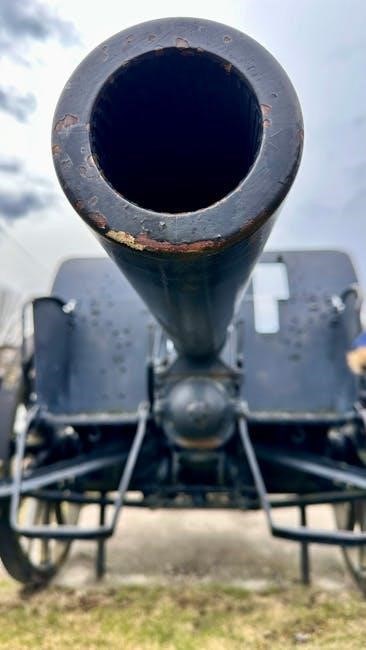
Wargaming PDF resources suggest representing its effectiveness realistically, acknowledging its initial potency and eventual limitations․
Technical Specifications of the 47mm SA37
Detailed PDF documents pertaining to the 47mm SA37 reveal a gun with a caliber of 47mm and a barrel length of 1,950mm (76․8 inches)․ These PDFs specify a weight of approximately 360kg (794lbs) in its towing configuration․ The SA37 fired separate-loading ammunition, with various shell types available, including armor-piercing and high-explosive rounds․
Muzzle velocity, as outlined in original French artillery PDFs, reached around 750-800 m/s (2,460-2,625 ft/s), depending on the ammunition used․ Effective range extended to approximately 800 meters against armored targets, though maximum range reached over 1,000 meters․
PDF schematics illustrate its semi-automatic operation and horizontal sliding-block breech․ These PDFs are invaluable for accurate wargaming representation․
Deployment and Tactical Use of the 47mm SA37
French tactical PDFs demonstrate the 47mm SA37 was intended to be deployed in static defensive positions, supporting infantry against armored attacks․ Often, it was positioned behind obstacles or in hull-down positions to maximize protection․ PDFs detail its use in anti-tank screens, aiming to slow and disrupt enemy advances․
However, limited numbers hampered widespread deployment, as revealed in post-war analysis PDFs․ The SA37 was frequently allocated to elite or mechanized divisions․ Tactical PDFs emphasize the importance of camouflage and concealment, given its relatively limited armor protection․
Wargaming scenarios, informed by these PDFs, should reflect its vulnerability to flanking maneuvers and air attack․ Accurate representation requires understanding its intended role within the French defensive doctrine․

Older WWI Vintage Anti-Tank Guns
PDF resources reveal France reactivated WWI-era artillery due to shortages of modern anti-tank guns in 1940, a desperate measure against German armor․
Reactivation of WWI-Era Artillery
As the shadow of war lengthened over Europe, the French military found itself critically short of modern anti-tank weaponry․ To bolster their defenses, a significant number of artillery pieces dating back to the First World War were brought out of storage and hastily pressed into service․ PDF documents detailing French artillery from this period showcase the sheer scale of this reactivation program․
These older guns, while possessing limited effectiveness against contemporary tank designs, were seen as a necessary evil․ They were deployed to supplement the newer 25mm and 47mm anti-tank guns, attempting to provide some level of protection to infantry formations․ Historical analyses, often available in PDF format, highlight the logistical challenges and the compromises inherent in relying on obsolete equipment․
The decision to reactivate these WWI-era guns underscores the French military’s preparedness issues and the desperate need to equip its divisions before the German invasion․
Effectiveness of WWI Guns Against Modern Tanks
The re-employed WWI-era artillery proved largely ineffective against the armored vehicles of the Wehrmacht, particularly the Panzer III․ These guns, designed to combat the tanks of a previous generation, simply lacked the penetrating power and velocity to reliably damage the thicker armor of 1940s tanks․ Detailed ballistic data, often found within digitized PDF manuals, confirms this deficiency․
While lucky hits could potentially disable a tank through crew injury or component damage, such instances were rare․ Their primary value shifted to a suppressive role, attempting to disrupt enemy advances and force tanks to maneuver․ Research, compiled in accessible PDF reports, demonstrates the limited tactical impact of these older weapons․
Ultimately, relying on WWI-era artillery highlighted a critical gap in French anti-tank capabilities and contributed to the rapid German breakthroughs․
French Anti-Tank Rifles
French anti-tank rifles, the infantryman’s best defense against tanks in 1940, are detailed in surviving PDF documentation and historical analyses․
The Role of Anti-Tank Rifles in 1940
In 1940, as the mechanized German forces advanced, French infantry found themselves critically reliant on anti-tank rifles as a primary means of defense against armored vehicles․
These rifles represented the best available weapon for the individual soldier facing a tank assault, offering a chance – albeit limited – to disable or deter enemy armor․
Contemporary accounts, often preserved in digitized formats like PDF manuals and reports, highlight the desperate need for effective anti-tank weaponry at the infantry level․
While not decisive, these rifles provided a psychological boost and a tangible, if often insufficient, defense․ Accessing original French military documentation, frequently available as PDF files online, reveals the tactical doctrines surrounding their deployment and limitations․
Studying these resources offers valuable insight into the challenges faced by French infantry during the Battle of France․
Types of French Anti-Tank Rifles
France employed several anti-tank rifle designs in 1940, with the 13․8mm M1935 being a prominent example․ Detailed specifications and operational procedures for these weapons are often found within surviving French military PDF documents․
These PDF resources, including training manuals and technical reports, provide crucial information for historical reconstruction and wargaming accuracy․
The 13․8mm rifle was intended to penetrate early tank armor, though its effectiveness diminished as German tank designs improved․ Access to digitized archival material, often in PDF format, allows researchers to analyze its performance characteristics․
Understanding the nuances of each rifle type, as documented in these PDF sources, is essential for appreciating the challenges faced by French infantry attempting to counter German armor․
Further research into these PDF archives reveals the logistical and tactical considerations surrounding their use․
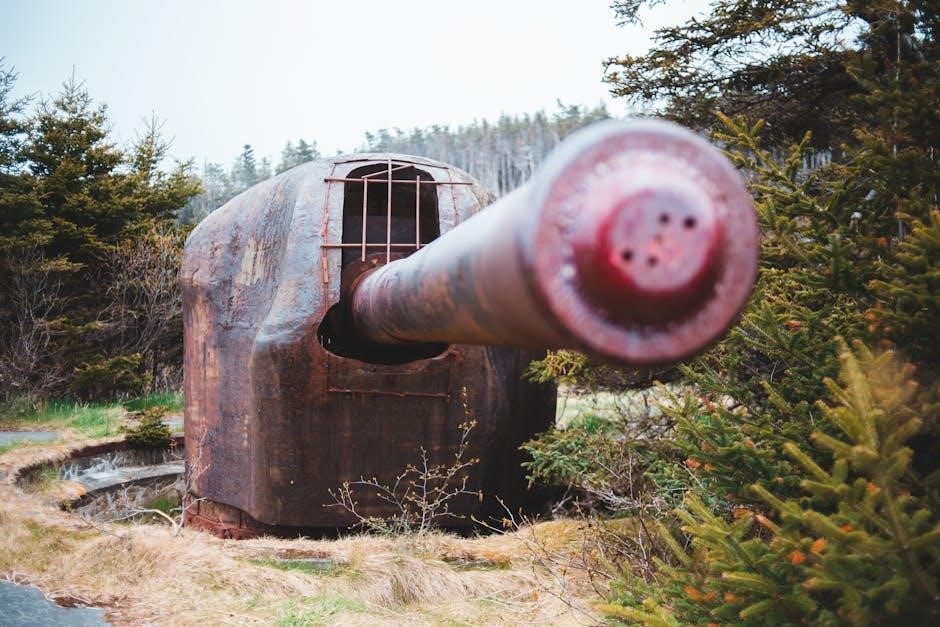
The 13․8mm M1935 Anti-Tank Rifle
The 13․8mm M1935 was France’s primary anti-tank rifle in 1940, designed to combat the growing threat of armored vehicles․ Detailed technical manuals, frequently available as scanned PDF documents, outline its operation and maintenance․
These PDF resources reveal the rifle’s limitations, including its relatively slow rate of fire and decreasing effectiveness against thicker armor․ Studying these PDFs provides insight into the challenges faced by French infantry․
The M1935 utilized a heavy 13․8mm cartridge, and PDF training materials detail proper ammunition handling and reloading procedures․ Accessing these digitized PDF archives is vital for accurate historical representation․
Analysis of original PDF documentation highlights the rifle’s role as the “best weapon the infantryman had” against tanks, despite its shortcomings․
Further PDF research reveals tactical deployment strategies and crew training protocols․
Limitations of French Anti-Tank Artillery
PDF analyses reveal insufficient modern guns hampered France in 1940, forcing reliance on older weaponry and impacting tactical effectiveness on the battlefield․
Insufficient Numbers of Modern Guns
PDF documents detailing French army organization in 1940 consistently highlight a critical shortage of the newer 25mm and 47mm anti-tank guns․ While these represented a step forward in capability, production numbers simply couldn’t meet the demands of equipping all frontline divisions․
This deficiency meant many units were still equipped with WWI-era artillery, wholly inadequate against the armor of German tanks․ The limited availability forced a compromise in defensive strategies, concentrating the modern guns in key sectors while leaving others vulnerable․
Researching original French military PDFs confirms this logistical shortfall was a major contributing factor to the rapid German advances, as effective anti-tank defenses were not consistently present across the front lines․
Tactical Doctrine and Deployment Issues
Analysis of French military doctrine, often detailed in surviving PDF manuals, reveals a rigid adherence to outdated defensive concepts․ Anti-tank guns weren’t always deployed in optimal positions to maximize their effectiveness against armored assaults․ A lack of decentralized initiative hampered rapid response to changing battlefield conditions․
Furthermore, the PDF records indicate a tendency to concentrate anti-tank assets defensively, rather than employing them in mobile counter-attack roles․ This static approach allowed German panzer divisions to exploit weaknesses and bypass strongpoints․
Insufficient training in combined arms tactics, as evidenced by training PDFs, further exacerbated these issues, hindering the effective integration of anti-tank weaponry with infantry and artillery support․

Comparison with German Anti-Tank Weapons
PDF analyses reveal French anti-tank guns, like the 25mm and 47mm, were generally outmatched by German equivalents such as the 37mm Pak 36 and 50mm Pak 38․
German 37mm Pak 36
The German 37mm Pak 36 represented a significant threat to French armor in 1940, and detailed PDF reports highlight its advantages․ Its superior armor penetration compared to the French 25mm Hotchkiss was a critical factor․ While the 47mm SA37 offered a better match, its limited numbers meant it couldn’t fully counter the Pak 36’s effectiveness;
Tactical deployment also favored the Germans; the Pak 36’s mobility allowed for flexible positioning, exploiting weaknesses in French formations․ Studying original German manuals, often available as PDF downloads, reveals their emphasis on concentrated anti-tank fire․ This contrasted with the more dispersed French deployment, hindering their ability to effectively engage enemy tanks․ The Pak 36’s impact is clearly documented in post-battle analyses, frequently found in digitized PDF archives․
German 50mm Pak 38
The German 50mm Pak 38, though arriving in smaller numbers during the Battle of France, posed an even greater challenge to French armor than the 37mm․ Accessing original German documentation, often available as detailed PDF files, reveals its significantly improved penetration capabilities․ This weapon could reliably defeat the armor of most French tanks, including the Char B1, at reasonable ranges․
Comparative analyses, frequently found in post-war reports now digitized as PDFs, demonstrate the Pak 38’s superiority․ French anti-tank guns struggled to effectively counter it․ Studying tactical deployment diagrams (available in some PDF archives) shows how the Germans utilized the Pak 38 in hull-down positions, maximizing its range and protective capabilities․ The Pak 38’s introduction further exacerbated the existing deficiencies in French anti-tank defenses․
French Anti-Tank Artillery in Wargaming
PDF resources detailing French artillery are vital for accurate wargaming, especially when scaling 10mm/12mm miniatures against Panzer III models for realistic engagements․
Scaling and Representation in 10mm/12mm/N-Gauge
Accurately representing French anti-tank artillery in smaller scales like 10mm, 12mm, or N-gauge requires careful consideration of both the guns themselves and their intended targets․
PDF documents containing original specifications and photographs are invaluable for this process, aiding in correct size and detail replication․ For example, Minifigs offers 25mm anti-tank guns in 12mm scale․
When facing GHQ’s 1/285 scale Panzer IIIs, the relative size difference must be accounted for in wargame rules․
Effective representation isn’t just about physical size; it’s about conveying the gun’s limitations and tactical role․
Detailed PDF manuals can reveal range, penetration values, and typical deployment formations, informing wargaming scenarios and balancing gameplay․
Targeting and Effectiveness Against Panzer III Tanks
Evaluating the effectiveness of French anti-tank artillery against Panzer III tanks necessitates examining penetration capabilities and engagement ranges, data often found within historical PDF documents․
The 25mm Hotchkiss, while modern for its time, struggled against the Panzer III’s frontal armor, requiring extremely close-range engagements and favorable angles․
The 47mm SA37 offered improved performance, but still faced challenges penetrating the Panzer III’s armor at longer distances․
PDF manuals detailing ballistics charts are crucial for wargamers to accurately simulate these engagements․
Tactical deployment, utilizing hull-down positions and concentrated fire, was vital to maximize the limited effectiveness of French anti-tank weaponry against this common German threat․
Resources for Further Research (PDF Focus)
French anti-tank artillery PDF manuals offer invaluable insights into deployment, tactics, and technical specifications for researchers and wargaming enthusiasts alike․
Availability of French Anti-Tank Artillery Manuals (PDF)
Locating original French anti-tank artillery PDF manuals can significantly enhance understanding of WWII-era weaponry and tactical doctrines․ While comprehensive collections are rare, scattered resources exist online․ Dedicated military history forums and digital libraries sometimes host scanned copies of training materials and operational guides․
These PDF documents, when found, often detail the specifics of guns like the 25mm Hotchkiss and 47mm SA37, including loading procedures, aiming adjustments, and maintenance schedules․ Researchers should also explore national archive websites, as some may offer digitized records related to French military equipment․ The quality of these scans varies, but they provide primary source material invaluable for accurate historical reconstruction and wargaming preparation․
Online Archives and Digital Collections (PDF)
Several online archives offer potential access to French anti-tank artillery PDF materials, though a centralized repository remains elusive․ Websites specializing in military history and digitized documents are key starting points․ Exploring platforms like Gallica, the digital library of the Bibliothèque nationale de France, may yield relevant technical manuals or period publications․
Furthermore, dedicated wargaming communities often curate lists of accessible PDF resources, including translated excerpts and compiled information․ Internet Archive is another valuable resource, requiring focused searches using keywords like “artillerie antichar française” and specific gun model numbers․ Patience and persistent searching are crucial, as these materials are often fragmented and require careful examination to verify authenticity and completeness․