construction phase plan example pdf

Construction Phase Plan Example PDF: A Comprehensive Guide (Updated 12/17/2025)
Today, 12/17/2025, access a free CDM template for compliance! This guide details Construction Phase Plans (CPP), essential for health and safety, utilizing editable PDF tools like airSlate SignNow.
What is a Construction Phase Plan (CPP)?
A Construction Phase Plan (CPP) is a crucial document mandated by the CDM Regulations 2015, outlining the health and safety arrangements for a construction project. It’s essentially a roadmap detailing how risks will be managed throughout the building process, ensuring a safe working environment for everyone involved.

Prepared before construction begins, the CPP isn’t a static document; it’s a living plan that evolves as the project progresses. It details site-specific hazards, control measures, and responsibilities. Utilizing a Construction Phase Plan Example PDF as a starting point streamlines this process, offering a pre-structured template to adapt.
The plan encompasses everything from site setup and welfare facilities to excavation procedures and emergency protocols. It clarifies roles and responsibilities, ensuring everyone understands their duties. Modern tools, like airSlate SignNow, facilitate easy creation, editing, and electronic signing of these vital plans, ensuring compliance and efficient document management. A well-crafted CPP minimizes risks and promotes a proactive safety culture on site.

CDM Regulations 2015 and the CPP
The CDM Regulations 2015 (Construction Design and Management Regulations) place legal duties on all parties involved in a construction project, with the Construction Phase Plan (CPP) being a central component of compliance. These regulations aim to improve health and safety on construction sites and prevent accidents.
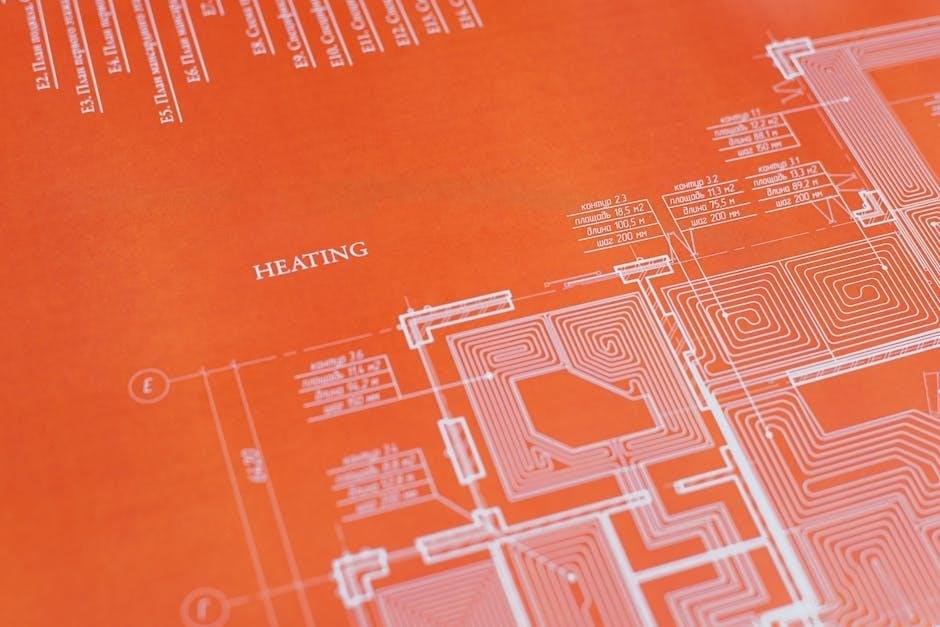
Specifically, the regulations require a CPP to be prepared for every construction project, regardless of size, though the level of detail will vary. A Construction Phase Plan Example PDF provides a framework to meet these legal obligations, ensuring all necessary elements are addressed. The Principal Contractor is legally responsible for ensuring a suitable and sufficient CPP is in place.
Using editable PDF templates, like those offered through airSlate SignNow, simplifies the process of creating a compliant CPP. The regulations emphasize planning, management, monitoring, and communication – all facilitated by a well-documented and regularly reviewed CPP. Failure to comply with CDM 2015 can result in significant penalties.

Who Needs a Construction Phase Plan?
Essentially, every construction project requires a Construction Phase Plan (CPP), but the complexity varies. Even non-notifiable, small-scale, low-risk projects under CDM 2015 benefit from a simplified plan. However, a full, detailed Construction Phase Plan Example PDF is crucial for larger, more complex undertakings.
The Principal Contractor has the primary responsibility for ensuring a CPP is in place before work commences. This includes projects involving more than one contractor or where the construction work exceeds a specific duration or volume. Clients also have duties to ensure adequate planning and resources.
Utilizing a downloadable template, and tools like airSlate SignNow for electronic signatures, streamlines CPP creation. Anyone undertaking construction work – from renovations to new builds – should understand their obligations. A CPP isn’t just a legal requirement; it’s a vital tool for proactive safety management.
Importance of a Construction Phase Plan for Health and Safety
A robust Construction Phase Plan (CPP) is paramount for safeguarding health and safety on any construction site. It’s not merely a compliance document; it’s a proactive strategy for hazard identification and risk mitigation. Utilizing a well-structured Construction Phase Plan Example PDF ensures a systematic approach to safety management.
The CPP outlines specific site rules, emergency procedures, and the responsibilities of each team member. This clarity minimizes confusion and promotes a safe working environment. Proper planning, facilitated by tools like airSlate SignNow for document management, reduces the likelihood of accidents and injuries.
Furthermore, a CPP demonstrates a commitment to safety, which is crucial for legal compliance and protecting the well-being of workers. It provides a framework for monitoring and reviewing safety performance, allowing for continuous improvement and a safer construction process.
Key Elements of a Construction Phase Plan
A comprehensive Construction Phase Plan (CPP), often accessed as a Construction Phase Plan Example PDF, must contain several key elements. Project information and scope define the work, while clearly defined roles and responsibilities ensure accountability.
Central to the CPP is a thorough risk assessment and management section, identifying potential hazards and outlining control measures. Detailed site rules and emergency procedures are vital for immediate response. The plan must also detail construction activities & sequencing, temporary works design, and adequate welfare facilities.
Specific considerations include excavation safety, working at height procedures, lifting operations planning, and hazardous substances control. Fire prevention and a waste management plan are also essential. Utilizing tools like airSlate SignNow streamlines the creation and approval of these critical components, ensuring a complete and legally compliant document.
Project Information & Scope
The Project Information & Scope section within a Construction Phase Plan Example PDF meticulously details the project’s fundamentals. This begins with a clear identification of the project name, location, and a comprehensive description of the work to be undertaken. Crucially, it outlines the project’s start and completion dates, providing a defined timeline.
A detailed scope of work is paramount, specifying all construction activities, including any demolition, excavation, building, or finishing work. This section also includes relevant drawings, specifications, and any associated documentation. The client’s details, principal designers, and principal contractors are clearly stated, establishing lines of communication and responsibility.
Furthermore, this section often references relevant planning permissions and building regulations. Utilizing a well-structured CPP, potentially downloaded as a template, ensures all project parameters are clearly defined from the outset, aiding in effective management and compliance.
Roles and Responsibilities on Site
The Roles and Responsibilities on Site section of a Construction Phase Plan Example PDF is critical for clear accountability. It explicitly defines the duties of key personnel, aligning with CDM Regulations 2015. This includes the Principal Contractor, responsible for overall site safety and coordination.
Detailed descriptions outline the responsibilities of Site Managers, Supervisors, and all workers. Specific tasks, such as conducting toolbox talks, managing subcontractors, and ensuring compliance with safety procedures, are assigned. The plan clarifies who is responsible for risk assessments, method statements, and emergency procedures.
Contact information for all key personnel is readily available, facilitating swift communication. A clear organizational chart often accompanies this section, visually representing reporting structures. Utilizing a comprehensive CPP template, like those available for download, ensures all roles are defined, minimizing ambiguity and promoting a safe working environment.
Risk Assessment and Management
Risk Assessment and Management forms a cornerstone of any robust Construction Phase Plan Example PDF. This section details a systematic process for identifying potential hazards on site, evaluating their associated risks, and implementing control measures. It’s a key requirement of the CDM Regulations 2015.
The plan outlines how risk assessments will be conducted – including who is responsible and the methodology used. Common hazards, such as working at height, excavation collapse, and exposure to hazardous substances, are specifically addressed; Control measures, ranging from engineering controls to personal protective equipment (PPE), are clearly defined.
Regular review and updating of risk assessments are emphasized, ensuring they remain relevant throughout the project lifecycle. A CPP template often includes a risk register, providing a centralized record of identified hazards and control measures. Effective risk management minimizes incidents and promotes a safe working environment, often utilizing airSlate SignNow for documentation.
Site Rules and Emergency Procedures
A comprehensive Construction Phase Plan Example PDF dedicates a crucial section to Site Rules and Emergency Procedures. These rules establish expected standards of behavior, ensuring a safe and organized working environment for all personnel. They cover aspects like PPE requirements, designated smoking areas, and traffic management.
Emergency procedures detail the steps to be taken in various scenarios, including fire, medical emergencies, and environmental spills. This includes clearly marked evacuation routes, assembly points, and contact information for emergency services. The plan specifies roles and responsibilities during emergencies, ensuring a coordinated response.
Regular briefings and signage reinforce these rules and procedures. A well-defined emergency plan, often managed with tools like airSlate SignNow for record-keeping, is vital for minimizing harm and ensuring a swift and effective response to unforeseen events, aligning with CDM Regulations 2015.
Construction Activities & Sequencing
Within a detailed Construction Phase Plan Example PDF, outlining Construction Activities & Sequencing is paramount. This section breaks down the entire project into distinct phases – from initial site preparation and excavation to structural work, finishing, and commissioning.
A clear sequence identifies dependencies between tasks, preventing delays and ensuring efficient workflow. The plan details the order in which activities will be performed, specifying start and finish dates, and resource allocation. This often utilizes project management templates in Microsoft Excel for tracking.
Furthermore, it highlights potential conflicts between different trades and outlines strategies for coordination. Utilizing tools like airSlate SignNow for plan revisions ensures everyone works from the latest version. Proper sequencing, aligned with CDM Regulations 2015, minimizes risks and optimizes project delivery, contributing to a safe and timely completion.
Temporary Works Design and Management
A robust Construction Phase Plan Example PDF dedicates significant attention to Temporary Works Design and Management. These are structures used during construction – scaffolding, formwork, shoring – and require meticulous planning and oversight.
The plan details the design calculations, inspection regimes, and maintenance procedures for all temporary works. It identifies competent persons responsible for design, erection, and dismantling, ensuring compliance with relevant standards. Utilizing CDM Regulations 2015, the plan emphasizes risk assessments specific to temporary works, addressing potential collapse or instability.
Proper management, often tracked with Microsoft Excel templates, includes regular inspections documented via tools like airSlate SignNow. This section outlines procedures for modifying temporary works and managing changes effectively. Safe temporary works are crucial for preventing accidents and maintaining project stability throughout the construction phase.
Welfare Facilities and Site Setup
A comprehensive Construction Phase Plan Example PDF meticulously details Welfare Facilities and Site Setup, vital for worker wellbeing and efficient operations. This section outlines the provision of adequate toilet facilities, washing facilities, drinking water, and changing areas, adhering to CDM Regulations 2015.
The plan specifies the location of these facilities, ensuring accessibility for all workers. It also addresses site security, including fencing, hoarding, and access control measures. Proper site setup includes designated storage areas for materials and equipment, minimizing hazards and maintaining order.
Detailed layouts, potentially managed with construction project management templates in Microsoft Excel, illustrate the site arrangement. Emergency access routes and assembly points are clearly marked. Maintaining clean and organized welfare facilities is paramount, and inspection records can be efficiently managed using platforms like airSlate SignNow, ensuring a safe and productive work environment.
Excavation and Groundworks Safety
The Construction Phase Plan Example PDF dedicates a crucial section to Excavation and Groundworks Safety, recognizing the inherent risks involved. This details procedures for safe excavation practices, including trench support systems – shoring, sheeting, and battering – to prevent collapses. A thorough Risk Assessment identifies potential hazards like underground services and unstable ground conditions.
The plan outlines responsibilities for checking utility locations before digging, and safe excavation depths. It specifies the use of appropriate excavation equipment and the competency of operators. Groundworks safety also encompasses safe handling of excavated materials and preventing falls from edges.
Regular inspections of excavations are mandated, with records maintained – potentially utilizing digital document management via airSlate SignNow. Emergency rescue plans for potential entrapment are clearly defined, ensuring a swift and effective response. Adherence to these procedures, as outlined in the CDM Regulations 2015, is paramount for worker safety.

Working at Height Procedures
The Construction Phase Plan Example PDF prioritizes Working at Height Procedures, acknowledging it as a high-risk activity. It details a hierarchical approach to fall prevention, starting with elimination, then substitution, collective protection (guardrails, scaffolding), and finally, personal fall protection equipment (harnesses).
The plan specifies requirements for scaffold inspections, ensuring they are erected and maintained by competent persons. Ladder safety is addressed, including proper angle, secure footing, and three points of contact. Detailed procedures cover the use of Mobile Elevated Work Platforms (MEWPs), including operator training and pre-use checks.
A robust Risk Assessment identifies potential fall hazards, and control measures are clearly defined. Rescue plans for suspended workers are essential, and regular training is mandated. Documentation, potentially managed through airSlate SignNow, ensures compliance with CDM Regulations 2015 and promotes a safe working environment.
Lifting Operations Planning
The Construction Phase Plan Example PDF outlines meticulous Lifting Operations Planning procedures, recognizing the inherent dangers. All lifting activities require a detailed plan, developed by a competent person, considering the load weight, lifting radius, and ground conditions. This plan must be documented, potentially utilizing electronic signature tools like airSlate SignNow for approval.
The plan specifies requirements for equipment inspections – cranes, hoists, slings – ensuring they are certified and maintained. Qualified and trained personnel are mandatory for operating lifting equipment and slinging loads. A designated lifting supervisor oversees operations, enforcing safety protocols.
Exclusion zones are clearly defined to protect personnel from falling loads. Detailed procedures cover signaling, communication, and emergency stop mechanisms. Risk Assessments identify potential hazards, and control measures are implemented. Adherence to these procedures is crucial for compliance with CDM Regulations 2015 and preventing accidents.
Hazardous Substances Control
The Construction Phase Plan Example PDF details stringent Hazardous Substances Control measures, vital for worker safety. A comprehensive inventory of all hazardous substances on site – paints, adhesives, fuels – is maintained, referencing Safety Data Sheets (SDS). These SDSs are readily accessible to all personnel.
Risk Assessments specifically address the hazards associated with each substance, outlining control measures like ventilation, personal protective equipment (PPE), and safe handling procedures. Designated storage areas, clearly labeled and secure, prevent spills and unauthorized access.
Training is provided to all workers handling hazardous substances, covering safe use, emergency procedures, and waste disposal. Spill kits are strategically located, and personnel are trained in their use. Compliance with CDM Regulations 2015 is ensured through diligent monitoring and record-keeping, potentially utilizing digital document management systems like airSlate SignNow for tracking training and inspections.
Fire Prevention and Control
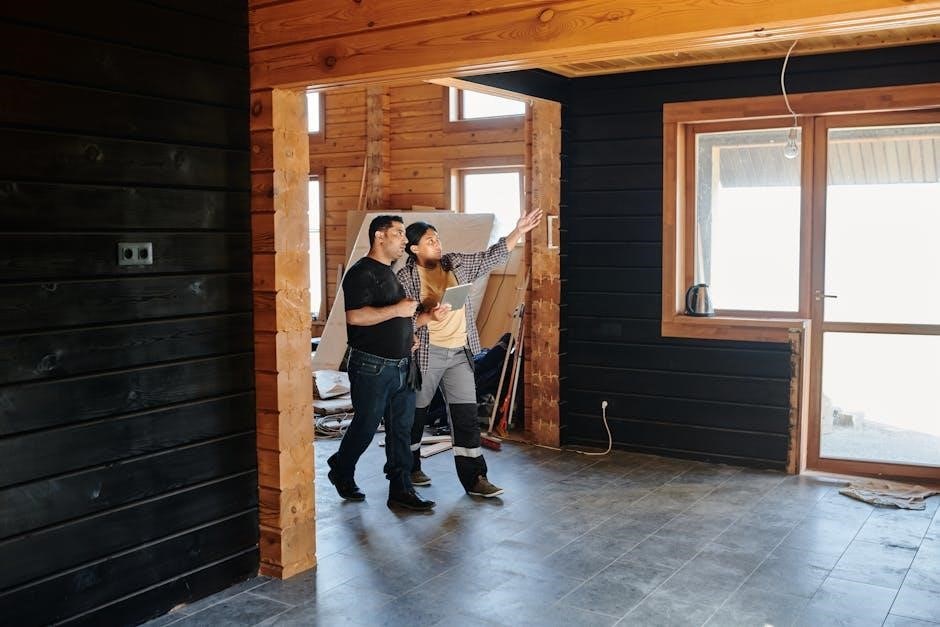
The Construction Phase Plan Example PDF prioritizes Fire Prevention and Control, outlining a detailed strategy to minimize fire risks on site. This includes identifying potential fire hazards – flammable materials, hot work activities – and implementing preventative measures. Regular housekeeping is enforced to prevent accumulation of combustible debris.
A comprehensive fire risk assessment informs the placement of fire extinguishers, fire points, and alarm systems. All personnel receive training on fire safety procedures, including evacuation routes and assembly points. Designated fire marshals are appointed and responsible for regular inspections.
Hot work permits are mandatory for activities like welding and cutting, ensuring appropriate precautions are taken. Emergency procedures, clearly documented and communicated, detail actions in case of fire. Records of fire safety training, inspections, and permit issuance are maintained, potentially leveraging tools like airSlate SignNow for efficient document control, ensuring CDM Regulations 2015 compliance.
Waste Management Plan
The Construction Phase Plan Example PDF incorporates a robust Waste Management Plan, crucial for environmental responsibility and regulatory compliance. This plan details procedures for segregating, storing, and disposing of construction waste materials – including wood, metal, concrete, and hazardous substances.

Waste minimization strategies are prioritized, aiming to reduce waste generation through careful material ordering and reuse where possible. Designated waste storage areas are clearly marked and maintained to prevent environmental contamination. Licensed waste carriers are utilized for off-site disposal, ensuring proper handling and recycling.
Records of waste transfer notes and disposal certificates are meticulously maintained, potentially utilizing digital document management systems like airSlate SignNow. The plan aligns with relevant environmental regulations and promotes sustainable construction practices, contributing to a responsible project lifecycle, and adhering to CDM Regulations 2015.
Monitoring and Review of the CPP
Effective Monitoring and Review of the Construction Phase Plan (CPP), as detailed in the Construction Phase Plan Example PDF, is paramount for maintaining health and safety standards throughout the project lifecycle. Regular site inspections are conducted to verify compliance with the plan’s procedures and identify potential hazards.
These inspections, documented with detailed reports, are reviewed by the project team, including the Principal Contractor and Site Manager. The CPP is a living document, subject to revisions based on inspection findings, changes in site conditions, or the introduction of new activities.
Review meetings are held at predetermined intervals – and following any significant incidents – to assess the plan’s effectiveness and implement necessary adjustments. Utilizing tools like airSlate SignNow can streamline the approval process for revisions, ensuring all stakeholders are informed and compliant with CDM Regulations 2015.
Construction Phase Plan Template Download (PDF)
Accessing a readily available Construction Phase Plan Template Download (PDF) is crucial for ensuring CDM Regulations 2015 compliance. Numerous resources offer free and premium templates designed to simplify the planning process. These templates provide a structured framework, covering essential elements like risk assessments, site rules, and emergency procedures.
However, remember that a downloaded template serves as a starting point. It must be customized to reflect the specific details of your project – scope, site conditions, and the unique hazards present. Utilizing tools like airSlate SignNow facilitates easy editing and collaboration on the PDF template.
Ensure the chosen template aligns with the project’s scale and risk profile. For non-notifiable, small-scale projects, a simplified template may suffice, while larger, more complex projects require a more comprehensive plan. Downloadable resources often include guidance notes to aid in completion.
Electronic Signature and Document Management (airSlate SignNow)
airSlate SignNow streamlines the Construction Phase Plan (CPP) process, offering a robust platform for electronic signatures and document management. This is particularly vital for ensuring quick approvals and maintaining a clear audit trail, essential for CDM Regulations 2015 compliance.
The platform allows multiple stakeholders – clients, contractors, and site managers – to review, annotate, and sign the CPP digitally. This eliminates the need for physical paperwork, reducing delays and improving efficiency. Features like automated reminders ensure timely completion of the signing process.
airSlate SignNow integrates seamlessly with existing workflows, allowing you to upload your Construction Phase Plan Example PDF and easily distribute it for review. The platform’s security features protect sensitive project information, and completed documents are securely stored for future reference. Utilizing such tools simplifies compliance and enhances project control.