streetcar named desire book pdf
Article Plan: Streetcar Named Desire Book PDF
This guide explores accessing “A Streetcar Named Desire” as a PDF, covering legitimate sources, historical context, character analysis, and the play’s enduring impact.
Tennessee Williams’s “A Streetcar Named Desire”, a cornerstone of 20th-century American literature, profoundly examines the clash between illusion and reality. This Pulitzer Prize-winning play, first performed in 1947, continues to captivate audiences with its complex characters and poignant themes.
The story unfolds in the French Quarter of New Orleans, centering on Blanche DuBois, a Southern belle grappling with a fading past, and her tumultuous relationship with her sister, Stella, and Stella’s brutish husband, Stanley Kowalski.
Finding a reliable PDF version allows convenient study and analysis of this dramatic masterpiece. This article guides you through locating legitimate digital copies and understanding the play’s lasting significance.
Understanding the PDF Format & Availability
PDF (Portable Document Format) offers a convenient way to access and study “A Streetcar Named Desire”. It preserves formatting, ensuring the text appears as intended, and is widely compatible across devices. However, availability of legally obtained PDFs varies.
While unauthorized copies circulate online, accessing legitimate versions is crucial for respecting copyright and ensuring quality.
PDFs often include features like searchability, annotation tools, and adjustable font sizes, enhancing the reading experience. This guide focuses on identifying reliable sources offering legally sound PDF copies of Williams’s iconic play.
Where to Find Legitimate PDF Copies
Locating legal PDF copies requires careful navigation. Project Gutenberg is a valuable resource for classic literature, though availability of specific editions varies. Online libraries and digital archives, often affiliated with universities, may offer access, sometimes with registration.
Retailers like Barnes & Noble and Amazon frequently sell PDF versions of plays, ensuring a legitimate purchase. Be cautious of free downloads from unverified sources, as these may contain malware or violate copyright. Prioritize reputable platforms to support authors and publishers.
Project Gutenberg
Project Gutenberg offers free ebooks, including many classic plays. However, the availability of “A Streetcar Named Desire” in a readily accessible PDF format directly from their catalog is currently uncertain. Users may find different editions or formats requiring conversion.
It’s crucial to verify the edition’s accuracy and completeness before relying on it for academic purposes. While a valuable resource for public domain works, Project Gutenberg’s offerings are dependent on volunteer contributions and digitization efforts, impacting availability.
Online Libraries & Digital Archives
Numerous online libraries and digital archives may host digitized copies of “A Streetcar Named Desire,” potentially in PDF format. Institutions like the Internet Archive and HathiTrust often contain scanned versions of older publications; Accessing these resources frequently requires a free account or institutional affiliation.
Availability can vary significantly depending on copyright restrictions and digitization projects. Users should carefully check the licensing terms and ensure compliance with copyright laws before downloading or distributing any PDF files found within these archives.
Retailer PDFs (Barnes & Noble, Amazon)

Major booksellers like Barnes & Noble and Amazon frequently offer digital versions of “A Streetcar Named Desire” available for purchase as PDF or other ebook formats. These retailer PDFs generally provide a high-quality, legally compliant reading experience, often with features like adjustable fonts and built-in dictionaries.
Purchasing from these sources supports the author and publisher while ensuring access to a verified, secure file. Prices vary, and promotional offers are sometimes available. Check each retailer’s website for current pricing and compatibility with your devices.

Historical Context of the Play
“A Streetcar Named Desire” is deeply rooted in post-World War II America, a period of significant social upheaval and shifting values. The play reflects anxieties surrounding class, gender roles, and the fading Southern aristocracy. Understanding this context enriches the reading experience of the PDF version.
Tennessee Williams’s work captures the tensions of a nation grappling with modernization and the aftermath of war. The setting of New Orleans, with its diverse population and vibrant culture, further informs the play’s themes. Exploring this historical backdrop provides crucial insight when reading the book’s PDF.
Post-War America & Social Change
Post-war America experienced rapid societal shifts, impacting traditional structures and values. Economic prosperity contrasted with underlying anxieties about conformity and the changing roles of women, themes mirrored within the “Streetcar Named Desire” PDF. The rise of industrialization and urbanization challenged established norms.
This era saw increased social mobility, yet persistent class divisions fueled tensions, a central conflict in Williams’s play. Accessing the PDF allows readers to analyze how these changes are portrayed. The play’s exploration of these themes remains relevant, offering a window into a pivotal moment in American history.
The Setting of New Orleans
New Orleans, in the play and the PDF version, isn’t merely a backdrop but a character itself, steeped in a unique cultural blend of French, Spanish, and American influences. Its vibrant yet decaying atmosphere reflects the play’s themes of illusion versus reality and the fading Southern Belle ideal.
The city’s distinct social strata, with its Creole heritage and working-class neighborhoods, provide a crucial context for understanding the characters’ interactions. Studying the play’s PDF alongside research on New Orleans’ history enriches the reading experience, revealing layers of symbolism embedded within the setting.
Key Characters & Their Symbolism
Analyzing characters within the “Streetcar Named Desire” PDF reveals profound symbolism; Blanche DuBois embodies fragility and a desperate clinging to illusions, contrasted sharply with Stanley Kowalski’s raw, brutal realism. Stella Kowalski navigates a painful conflict between these forces, representing compromise and societal pressures.
Understanding these symbolic representations deepens the impact of the play. The PDF format allows for close reading and annotation, facilitating a deeper exploration of each character’s motivations and their roles in Tennessee Williams’ tragic narrative. Examining character arcs enhances comprehension.
Blanche DuBois: Fragility & Illusion
Within the “Streetcar Named Desire” PDF, Blanche DuBois emerges as a central figure defined by fragility and constructed illusions. She represents a fading Southern Belle, desperately attempting to maintain a facade of respectability while concealing a troubled past.
The PDF’s text allows for detailed analysis of Blanche’s dialogue and actions, revealing her reliance on fantasy to cope with harsh realities. Her delicate nature clashes with Stanley’s brutal honesty, highlighting the play’s central themes. Studying the PDF enhances understanding of her tragic downfall.
Stanley Kowalski: Brutality & Reality
Examining the “Streetcar Named Desire” PDF reveals Stanley Kowalski as a powerful, working-class man embodying raw physicality and a pragmatic worldview. He represents a stark contrast to Blanche’s delicate illusions, grounding the play in a harsh reality.
The PDF’s detailed text showcases Stanley’s dominance and often brutal behavior, stemming from his insecurities and desire to control his environment. His actions, though often aggressive, are presented as a response to the changing social landscape. Analyzing the PDF provides insight into his complex character.
Stella Kowalski: Conflict & Compromise

A “Streetcar Named Desire” PDF analysis highlights Stella Kowalski’s central role as a character torn between two worlds. She embodies the conflict between her refined upbringing and her attraction to Stanley’s primal energy. The PDF’s narrative demonstrates her constant struggle to reconcile these opposing forces.
Reading the PDF reveals Stella’s compromises, choosing security and passion over Blanche’s fading gentility. Her decisions, though painful, reflect a pragmatic acceptance of reality. Stella’s character, as presented in the PDF, is a poignant exploration of societal pressures and personal desires.
Major Themes Explored in the Play
A “Streetcar Named Desire” PDF reveals profound thematic layers. Illusion versus reality is central, with Blanche constructing a fragile world to escape harsh truths. The PDF’s text showcases class and social status as driving forces, highlighting the tensions between the fading Southern aristocracy and the rising working class.
Analyzing the PDF demonstrates how gender roles and sexuality are challenged, particularly through Blanche and Stanley’s dynamic. These themes intertwine, creating a complex portrait of a society in transition. The PDF’s detailed analysis offers insights into these enduring human struggles.
Illusion vs. Reality
A “Streetcar Named Desire” PDF vividly portrays the conflict between illusion and reality, a core theme. Blanche DuBois actively constructs a fabricated persona to cope with past trauma and societal changes. The PDF’s textual evidence demonstrates her reliance on fantasy, light, and delicate appearances to mask a decaying inner world.
Stanley Kowalski, conversely, embodies brutal realism, relentlessly stripping away Blanche’s illusions. Examining the PDF reveals how this clash exposes the fragility of the human psyche. The play, as presented in the PDF format, questions the nature of truth and the necessity of self-deception.
Class & Social Status
A “Streetcar Named Desire” PDF highlights the stark contrast in class and social status between Blanche and Stanley; Blanche represents a fading Southern Belle, clinging to a bygone era of gentility and aristocratic privilege. The PDF’s detailed text showcases her disdain for Stanley’s working-class background and perceived vulgarity.
Stanley, embodying the rising working class, asserts his dominance and challenges the established social order. Analyzing the PDF reveals how this conflict fuels the play’s central tensions. The play, accessible through the PDF version, explores the anxieties surrounding social mobility and the erosion of traditional hierarchies.
Gender Roles & Sexuality
A “Streetcar Named Desire” PDF deeply examines restrictive gender roles and societal expectations of sexuality in the mid-20th century. Blanche embodies the societal pressures placed upon women to maintain a façade of purity and respectability, while grappling with past trauma. The PDF’s analysis reveals her vulnerability and desperation for male attention.
Stanley represents a raw, masculine energy, challenging conventional notions of courtship and dominance. Reading the PDF illuminates the play’s exploration of female desire and the consequences of transgressing social norms. The PDF version showcases how Williams critiques the limitations imposed on both men and women.
Literary Devices & Techniques
A “Streetcar Named Desire” PDF highlights Tennessee Williams’ masterful use of symbolism, particularly the streetcar itself, representing fading gentility and dependence on desire. The PDF’s detailed analysis reveals how light and color—shadows, moonlight, and vibrant hues—underscore Blanche’s fragile mental state and the play’s emotional intensity.
Studying the PDF demonstrates Williams’ skillful employment of dramatic irony, where the audience possesses knowledge characters lack, creating suspense. Foreshadowing, subtly woven throughout the narrative, hints at Blanche’s inevitable downfall. The PDF version allows close examination of these techniques, enriching understanding.
Symbolism (The Streetcar, Light, Colors)
A “Streetcar Named Desire” PDF meticulously unpacks the play’s rich symbolism. The streetcar embodies Blanche’s journey, representing both hope and the relentless march towards destruction. The PDF’s analysis reveals how the streetcar’s name signifies a reliance on fleeting desires, ultimately leading to ruin.
Light, particularly Blanche’s aversion to direct illumination, symbolizes her attempts to conceal her past and maintain illusions. Colors, like white (purity) and red (passion/danger), are powerfully employed. Examining the PDF clarifies how these symbols intertwine, deepening the play’s thematic resonance.
Dramatic Irony & Foreshadowing
A “Streetcar Named Desire” PDF expertly highlights Williams’ masterful use of dramatic irony and foreshadowing. Readers privy to Blanche’s fabricated past experience a poignant irony as characters accept her illusions. The PDF’s detailed notes reveal subtle clues hinting at Blanche’s eventual breakdown and fate.
Foreshadowing, through recurring motifs and dialogue, builds suspense and anticipates the tragic climax. Analyzing the PDF demonstrates how these techniques heighten the emotional impact and underscore the play’s themes of illusion versus reality. These literary devices are crucial to understanding the play’s tragic trajectory.
Critical Reception & Analysis
A “Streetcar Named Desire” PDF often includes sections dedicated to the play’s critical reception, showcasing its initial controversial response and subsequent acclaim. Early reviews debated the play’s frank depiction of sexuality and psychological realism. The PDF format allows for easy access to scholarly essays analyzing the work’s complex themes.
Modern analysis, readily available within these digital editions, explores feminist and post-structuralist interpretations. PDFs provide a convenient platform for comparing diverse critical perspectives, enriching understanding of Williams’ masterpiece and its lasting cultural impact.
The Play’s Adaptations (Film, Stage)
A “Streetcar Named Desire” PDF frequently includes supplementary material detailing the play’s numerous adaptations. The 1951 film, starring Marlon Brando and Vivien Leigh, is a landmark achievement, often discussed alongside the original text. PDF versions can offer comparative analyses of stage and screen interpretations.
The PDF format facilitates access to reviews and scholarly articles examining how different mediums emphasize various themes. Stage revivals continue to explore the play’s complexities, and a digital PDF can provide context for understanding these evolving interpretations, enriching the reader’s appreciation;
Understanding the PDF’s Formatting & Features
A “Streetcar Named Desire” PDF offers unique advantages over physical copies. Digital versions are typically searchable, allowing quick access to specific quotes or themes. Many PDF readers include annotation and highlighting tools, ideal for students and researchers. PDFs often maintain the original page layout, preserving formatting like act and scene divisions.
Accessibility features, such as adjustable font sizes, enhance readability. Some PDFs may include interactive elements like clickable table of contents. Understanding these features maximizes the utility of the digital text, aiding in deeper analysis and comprehension.
Searchability & Accessibility
Digital PDF copies of “A Streetcar Named Desire” excel in searchability; instantly locate specific lines or references using keyword searches. This feature is invaluable for academic study and critical analysis. Accessibility is enhanced through adjustable font sizes and screen reader compatibility, benefiting visually impaired readers.
Well-formatted PDFs often include tagged text, improving navigation for assistive technologies. The ability to copy and paste excerpts simplifies note-taking and research. These features democratize access to Tennessee Williams’ masterpiece, making it more inclusive and user-friendly.
Annotation & Highlighting Tools
PDF readers offer powerful annotation tools for studying “A Streetcar Named Desire.” Users can highlight key passages, add sticky notes with interpretations, and underline significant lines of dialogue. These features facilitate active reading and deeper engagement with the text.
Digital annotation allows for personalized study notes directly within the document, eliminating the need for separate notebooks. PDFs support various annotation types – text boxes, shapes, and freehand drawing – enabling comprehensive textual analysis. This interactive approach enhances comprehension and retention of the play’s complex themes.
Copyright Considerations & Legal PDF Sources
Obtaining “A Streetcar Named Desire” as a PDF requires respecting copyright laws. Downloading from unauthorized sources is illegal and unethical. Project Gutenberg offers legally free ebooks of works in the public domain, but Tennessee Williams’ play is generally still under copyright.

Legitimate sources include purchasing PDFs from retailers like Barnes & Noble or Amazon, or accessing the play through online libraries with proper licensing. Always verify the source’s legality to avoid potential legal issues and support authors’ rights. Prioritize ethical access to ensure continued literary availability.
Streetcar Systems & the Play’s Title Connection
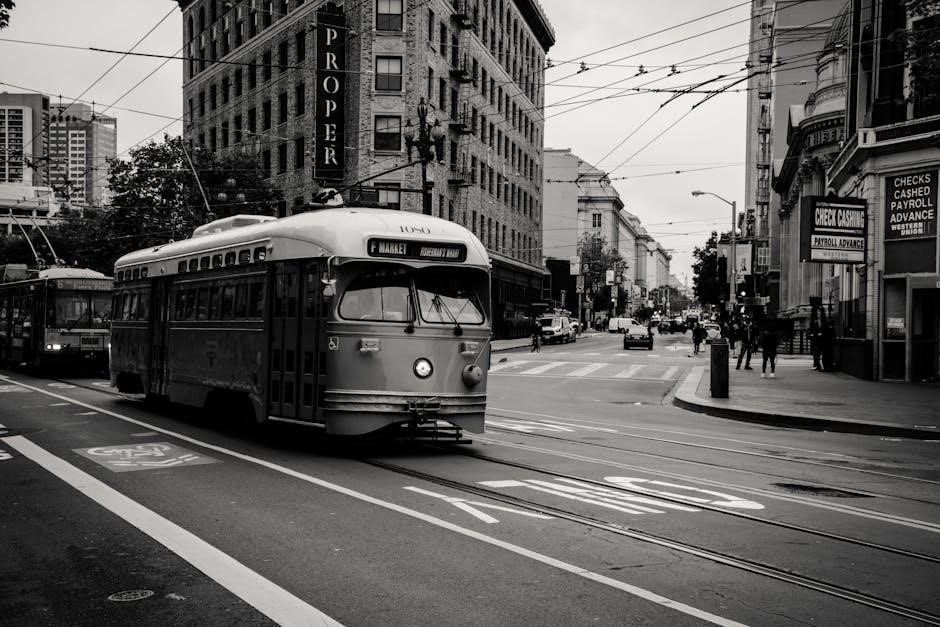
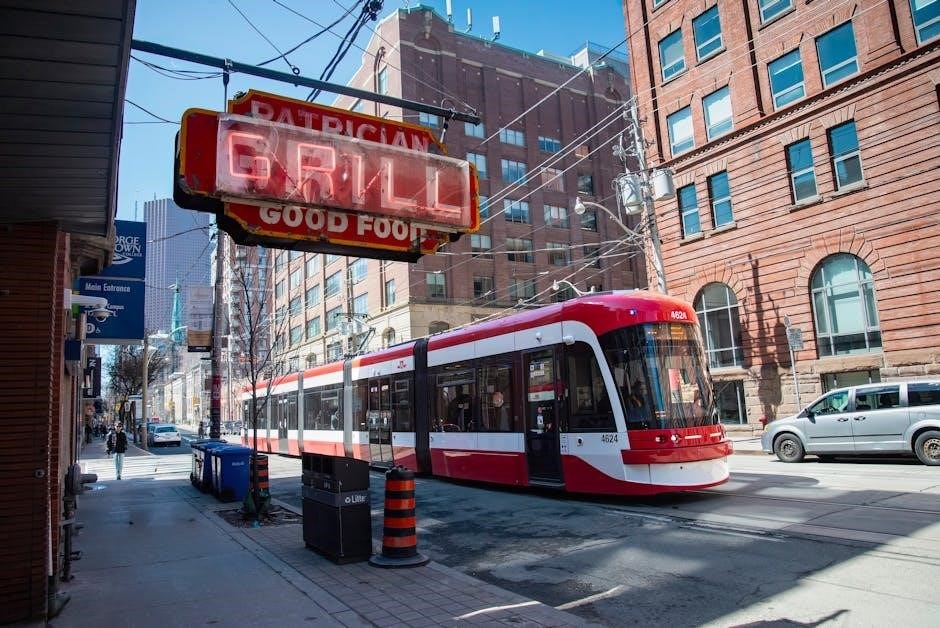
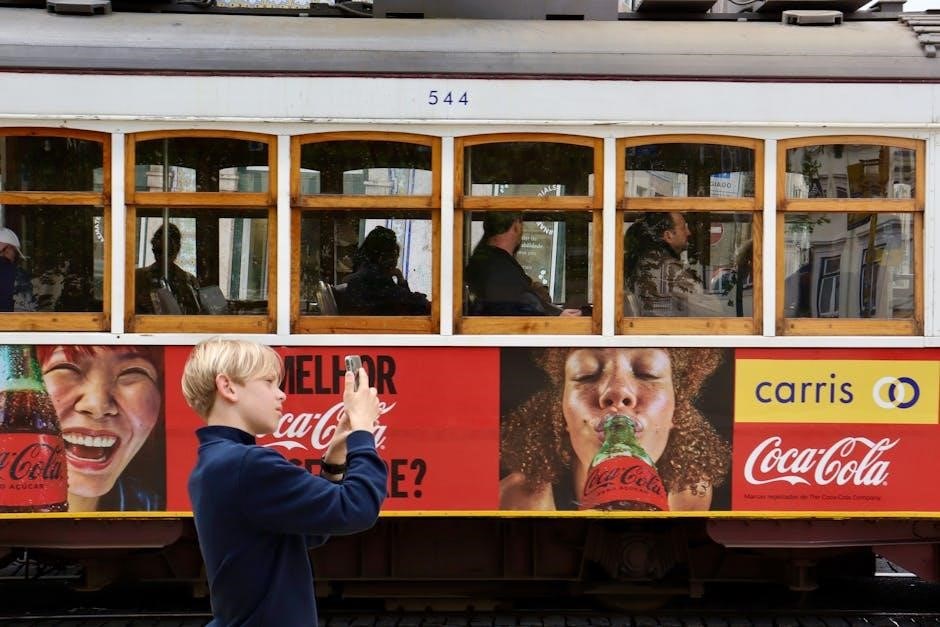
The play’s title, “A Streetcar Named Desire,” directly references the streetcar systems prevalent in early 20th-century America, particularly New Orleans. These systems, also known as trams or trolleys, were integral to urban life, representing connection and transition.
Williams intentionally used the streetcar as a symbol, linking it to Blanche DuBois’ journey and the shifting societal landscape. The unreliable nature of streetcar schedules, as noted today, mirrors the fragility of Blanche’s illusions. The play’s title evokes a sense of longing and the pursuit of elusive dreams, carried along by the tracks of fate.
Maintenance Costs of Streetcar Tracks vs. Roads
Discussions surrounding urban infrastructure often compare the maintenance costs of streetcar tracks versus roadways. Recent inquiries suggest streetcar tracks may, surprisingly, be less expensive to maintain than roads over the long term.
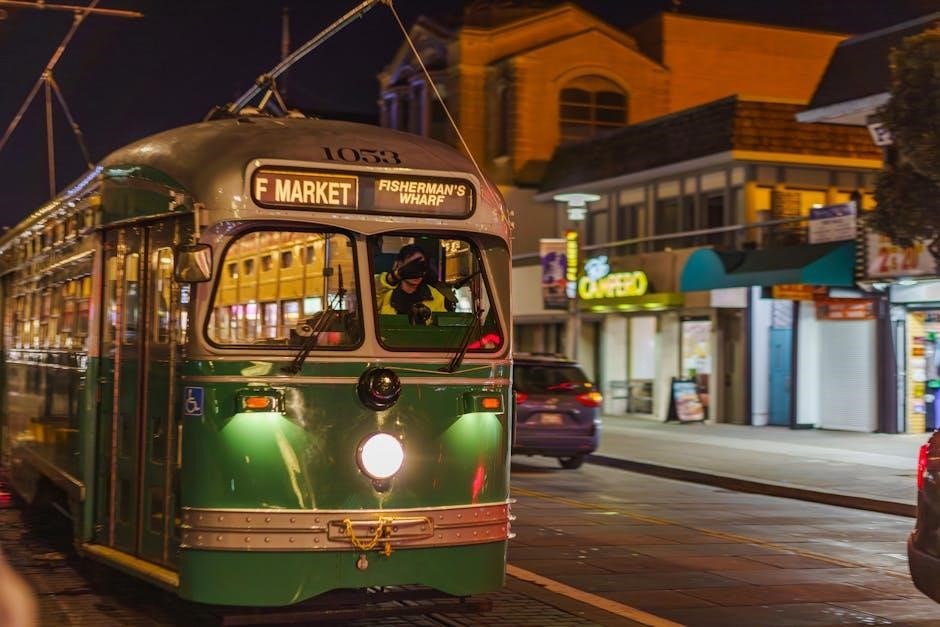
This potential cost difference stems from the focused nature of track maintenance, versus the broader, more frequent repairs needed for asphalt and concrete roads accommodating diverse vehicle traffic. However, this isn’t universally true, and depends on usage and materials. The San Francisco streetcar system, city-owned for decades, demonstrates long-term viability.
Streetcar vs. Tram vs. Trolley: Terminology
The terms “streetcar,” “tram,” and “trolley” are often used interchangeably, leading to confusion. Generally, “streetcar” is the predominant American term, while “tram” is more common in Europe. However, technical distinctions exist.
A “trolley” specifically refers to vehicles powered by an overhead trolley pole, drawing electricity from wires. Streetcars and trams can utilize this method, but also employ other power sources. These vehicles are typically slower, bus-like carts operating on tracks within city streets, often with dedicated lanes.
Streetcar Systems in New York City (Historical Maps)
New York City once boasted an extensive streetcar network, a far cry from its current limited presence. Historical maps reveal a complex web of lines spanning all five boroughs, operated by numerous companies with distinct color-coded routes.
These maps, often available through digital archives, showcase the sheer scale of the system before its decline in the mid-20th century. Examining these historical layouts provides context for understanding urban development and transportation patterns, offering a glimpse into a bygone era of city life.
The Role of Electricity in Streetcar Operation
Electricity is fundamental to streetcar functionality, powering their movement and systems. Typically, streetcars operate on 600 volts of direct current, delivered through an overhead wire and collected via a trolley pole.
Resistor grids manage this high voltage, preventing damage to the motor and ensuring safe operation. The controller, with its large handle, regulates the flow of electricity, dictating the streetcar’s speed and acceleration. This electrical system, while seemingly simple, is crucial for efficient and reliable urban transit.
Streetcar Schedules & Reliability
Streetcar schedules often serve as guidelines rather than strict timetables, exhibiting a degree of unpredictability in arrival times. While websites publish schedules, actual adherence can be inconsistent, requiring passengers to exercise patience and flexibility.
This unreliability stems from various factors, including traffic congestion and operational challenges. Despite published times, streetcars frequently arrive “when they want to,” demanding a pragmatic approach to journey planning. Understanding this inherent variability is key to a positive streetcar experience.
Pedestrian Experience & Streetcar Integration
Integrating streetcars into urban environments significantly impacts pedestrian flow and safety. Limiting car access alongside streetcar routes can dramatically improve the pedestrian experience, creating more inviting and accessible public spaces.
A well-designed streetcar system prioritizes pedestrian well-being, fostering a more pleasant and efficient urban environment. However, defining a “good” streetcar system and a positive pedestrian experience is subjective, varying based on system design and operational choices. Ultimately, successful integration requires careful planning and consideration.
City Ownership of Streetcar Systems
Historically, many streetcar systems have been publicly owned and operated by cities, like the San Francisco system, which has remained under city control for decades. This contrasts with systems in surrounding areas that have experienced shifts in ownership.
City ownership often reflects a commitment to public transit as an essential service, prioritizing accessibility and community benefit over profit. However, debates regarding funding, maintenance, and modernization continually arise. Public ownership ensures local control and responsiveness to community needs, shaping the system’s long-term development.
Online Book Discussion Communities (Reddit r/books)
Reddit’s r/books subreddit serves as a vibrant hub for literary discussion, offering a platform to explore “A Streetcar Named Desire” with fellow readers. This moderated community fosters in-depth conversations about authors, genres, and publishing. Users share insights, analyses, and interpretations of the play, creating a collaborative learning environment.
Engaging with r/books provides diverse perspectives and enhances understanding of the text’s themes and symbolism. It’s a valuable resource for students, book clubs, and anyone seeking a richer reading experience, offering a space for thoughtful exchange.
PDF Security & Avoiding Malicious Files
When downloading a “Streetcar Named Desire” PDF, prioritize security. Untrustworthy sources can harbor malicious files disguised as legitimate documents. Always scan downloaded PDFs with reputable antivirus software before opening them to detect potential threats like viruses or malware.
Stick to official or well-known platforms like Project Gutenberg or established retailers to minimize risk. Be wary of suspicious links or websites offering free downloads. Regularly update your antivirus software and exercise caution when enabling macros or interactive features within the PDF, safeguarding your digital wellbeing.
The Enduring Relevance of “A Streetcar Named Desire”
“A Streetcar Named Desire” remains a powerful exploration of human fragility and societal pressures. Accessing the play as a PDF allows continued engagement with Williams’ masterpiece. Its themes of illusion versus reality, class conflict, and gender roles resonate deeply even today, sparking ongoing discussion within communities like Reddit’s r/books.
The play’s adaptability—from stage to film—demonstrates its lasting impact. Whether studying it academically or enjoying it for its literary merit, the PDF format ensures accessibility for generations, preserving a crucial piece of American dramatic literature.